




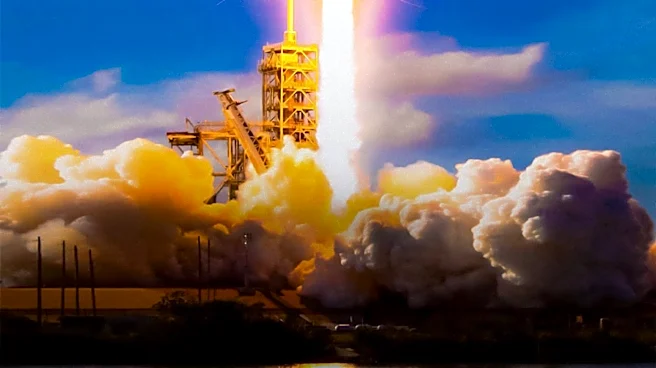
The MESSENGER spacecraft embarked on a complex journey to become the first probe to orbit Mercury. Launched by NASA in August 2004, MESSENGER's path was not a straightforward one. Instead, it involved a series of strategic flybys of Earth, Venus, and Mercury itself. These maneuvers were crucial for adjusting the spacecraft's trajectory and speed, allowing it to enter Mercury's orbit with minimal fuel consumption.
The Launch and Initial Earth Flyby
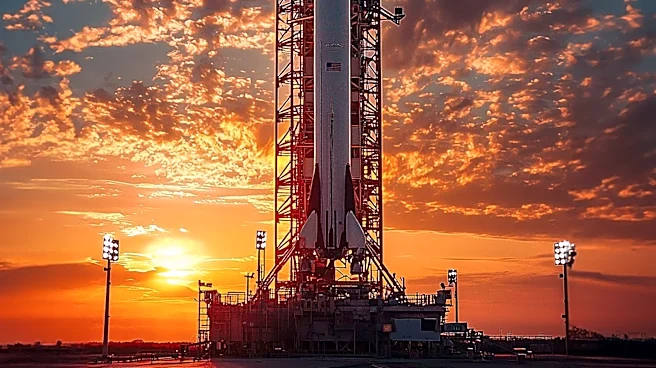
MESSENGER was launched aboard a Delta
II rocket from Cape Canaveral in August 2004. The mission's trajectory was meticulously planned to include multiple flybys, which are gravity assist maneuvers that help alter the spacecraft's speed and direction. The first of these was an Earth flyby in August 2005, which was essential for adjusting MESSENGER's trajectory towards Venus. During this flyby, the spacecraft came within 2,347 kilometers of Earth, passing over central Mongolia.
The Earth flyby also served as a critical opportunity to test and calibrate MESSENGER's instruments. The spacecraft imaged Earth and the Moon, ensuring that its systems were functioning correctly. This calibration was vital for the success of the mission, as it allowed the team to address any minor errors early on. Interestingly, MESSENGER's Earth flyby was also used to investigate the flyby anomaly, a phenomenon where spacecraft sometimes experience unexpected changes in speed. However, no such anomaly was observed during MESSENGER's flyby.
Venus Flybys: Fine-Tuning the Trajectory
Following the Earth flyby, MESSENGER performed two flybys of Venus. The first occurred in October 2006, with the spacecraft passing at an altitude of 2,992 kilometers. This encounter was primarily an orbital maneuver, but it also provided an opportunity for scientific observations. The second Venus flyby took place in June 2007, at a much closer altitude of 338 kilometers. This flyby resulted in the greatest velocity reduction of the mission, crucial for setting up the subsequent Mercury flybys.
During these Venus encounters, MESSENGER's instruments were used to observe the planet's atmosphere and surface. The data collected helped prepare the spacecraft for its upcoming Mercury encounters, ensuring that all systems were ready for the challenges ahead.
Mercury Flybys: Preparing for Orbit
MESSENGER's journey included three flybys of Mercury before it could enter orbit. The first occurred in January 2008, followed by a second in October 2008, and a final one in September 2009. These flybys were designed to slow the spacecraft down enough to allow for orbital insertion. Each flyby brought MESSENGER closer to its ultimate goal, providing valuable data about Mercury's surface and environment.
The final flyby was not without its challenges. During the closest approach, MESSENGER entered safe mode, resulting in the loss of some planned science data. However, the spacecraft recovered quickly, and the mission continued as planned. Finally, in March 2011, MESSENGER successfully entered orbit around Mercury, marking a significant milestone in space exploration.