






The quesadilla, a quintessential Mexican dish, is celebrated for its versatility and adaptability. Across different regions, the quesadilla takes on unique forms, incorporating local ingredients and culinary traditions. This article explores the diverse variations of quesadillas, highlighting the distinct flavors and preparation methods that make each version special.
Central and Southern Mexican Quesadillas
In the central and southern regions of Mexico, quesadillas are typically made with
corn tortillas and filled with Oaxaca cheese, a stringy cheese known for its excellent melting properties. These quesadillas often include a variety of fillings, such as tinga, a spicy meat mixture, and huitlacoche, a type of corn fungus. The use of local ingredients reflects the rich agricultural traditions of the area, showcasing the quesadilla's role in celebrating regional flavors.
In these regions, quesadillas are often cooked on a comal, a traditional griddle that imparts a distinct flavor to the tortillas. The combination of fresh ingredients and traditional cooking methods results in a dish that is both flavorful and deeply rooted in Mexican culinary heritage.
Northern Mexican and U.S. Variations
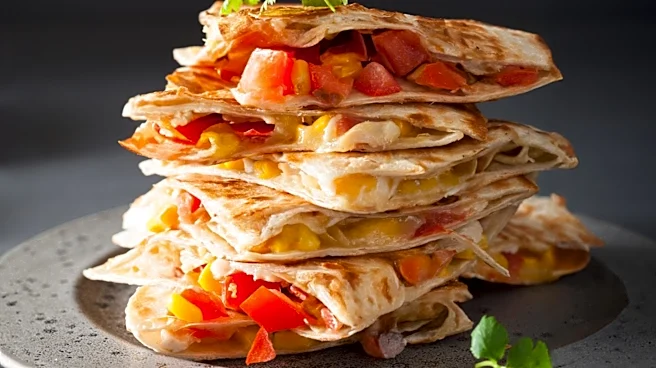
In Northern Mexico, quesadillas are often made with wheat flour tortillas, reflecting the region's preference for this type of bread. These quesadillas are typically filled with Chihuahua cheese, a local variety made by the Mennonite community. The use of flour tortillas and local cheese highlights the quesadilla's adaptability to regional tastes and ingredients.
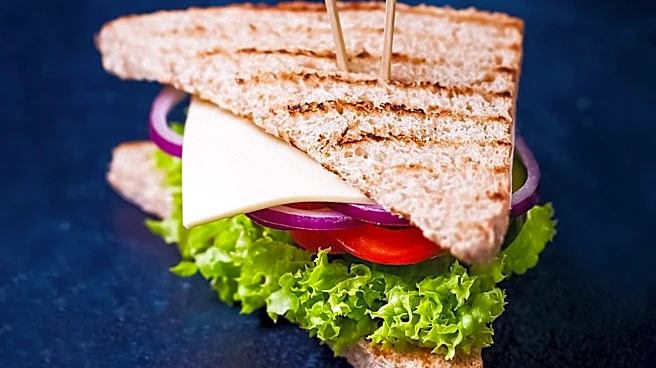
As the quesadilla made its way to the United States, it underwent further transformation. In the Southwestern U.S., it is often compared to a grilled cheese sandwich, with local ingredients added to the mix. Flour tortillas are commonly used, and fillings may include Monterey Jack or Cheddar cheese, along with meats, peppers, and onions. This adaptation reflects the blending of Mexican culinary traditions with American tastes, resulting in a dish that is both familiar and innovative.
Unique Takes on the Quesadilla
Beyond Mexico and the U.S., the quesadilla has inspired unique variations in other regions. On the Canary Island of El Hierro, for example, a sweet version of the quesadilla is made with fresh cheese, flour, lemon, egg, and sugar, flavored with anise and tree heather. This sweet quesadilla highlights the dish's versatility and its ability to inspire creative interpretations across different cultures.
The diverse variations of the quesadilla showcase its adaptability and enduring appeal. Whether filled with traditional Mexican ingredients or adapted to local tastes, the quesadilla remains a beloved dish that celebrates the rich culinary traditions of the regions it touches.