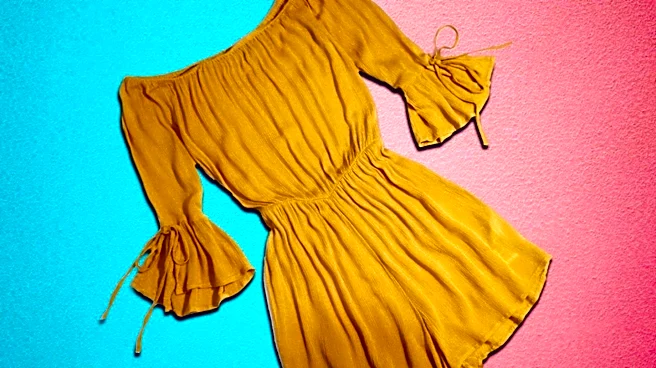








While often associated with the playful attire of children, the playsuit, or romper, has a compelling history as a significant garment in adult fashion. This one-piece or two-piece combination of shorts and a shirt, distinguished by its typically short sleeves and legs, has periodically transcended its initial role as children's wear to become a popular choice for women. Its journey through adult fashion reflects evolving societal norms, leisure activities,
and a continuous quest for comfortable yet stylish clothing, demonstrating its adaptability and enduring appeal across different generations.
The 1950s: A Peak for Adult Leisurewear
The 1950s marked a pivotal era for the romper's acceptance and popularity in adult fashion. During this decade, the garment was widely embraced by women, particularly as leisurewear and beachwear. Its light and loose-fitting design made it an ideal choice for relaxed activities and warm weather, offering a comfortable alternative to more structured clothing. The romper became synonymous with a carefree, casual elegance, perfectly suited for vacations, poolside lounging, and other recreational pursuits of the post-war era.
Beyond casual leisure, the playsuit also found a unique role in the burgeoning world of beauty contests during the early 1950s. These contests, often launched by large companies to promote products, sought to find attractive women who could help market their goods. While swimsuits remained a highlight, the playsuit was popularized as an alternative garment for these events. This usage underscores its growing recognition as a fashionable item for women, capable of being presented in public and even in competitive settings, further cementing its place in the adult wardrobe of the time.
A Persistent Presence: Never Fully Disappearing
Following its peak in the 1950s, the widespread commonality of the romper among older girls and women did see a decline. However, it is crucial to note that the garment never entirely disappeared from adult fashion. Despite becoming less prevalent in mainstream trends, the romper maintained a persistent, albeit sometimes niche, presence. This enduring quality suggests that its fundamental design — offering comfort, ease of movement, and a distinct style — continued to resonate with a segment of the adult population, even when it wasn't at the forefront of fashion.
Its continued use, even if less common, meant that the romper remained a recognizable, if not always ubiquitous, option for adult women. This period of lower visibility allowed the garment to evolve subtly, perhaps becoming a favored item for specific subcultures, vacation wardrobes, or as a comfortable choice for home wear. The fact that it never vanished entirely laid the groundwork for its eventual return to broader popularity, demonstrating its inherent resilience in the ever-changing landscape of fashion.
The Contemporary Resurgence: All Ages Embrace the Romper
The late 2010s heralded a significant and widespread resurgence of the romper in adult fashion, marking a full-circle moment for the garment. This modern revival saw both the romper dress and the traditional romper with shorts return to prominence, embraced by a remarkably diverse demographic. The renewed popularity extended across all ages, from kids and tweens to teens, college students, and even older adults, indicating a broad acceptance and appreciation for its style and comfort.
This contemporary comeback highlights the romper's versatility and its ability to adapt to current fashion sensibilities. Designers and consumers alike rediscovered its appeal as a stylish, easy-to-wear option for various occasions, from casual outings to more dressed-up events. The widespread adoption across such a broad age range underscores a collective desire for comfortable yet chic clothing, positioning the romper once again as a relevant and fashionable choice in the modern adult wardrobe.