






Cosmetic surgery, an elective procedure aimed at enhancing physical appearance, is deeply intertwined with societal pressures, individual psychology, and cultural beauty standards. While the primary goal is aesthetic improvement, the motivations behind seeking such procedures often extend beyond simple vanity, touching upon issues of self-esteem, social acceptance, and economic opportunity. Across different regions like Australia, China, and South
Korea, the decision to undergo cosmetic surgery is influenced by a complex interplay of media, celebrity culture, job market demands, and deeply ingrained cultural beliefs about appearance. This exploration delves into these multifaceted dimensions, revealing how cosmetic surgery reflects and shapes individual and collective perceptions of beauty and worth.
Self-Esteem and the Pursuit of Perfection in Australia
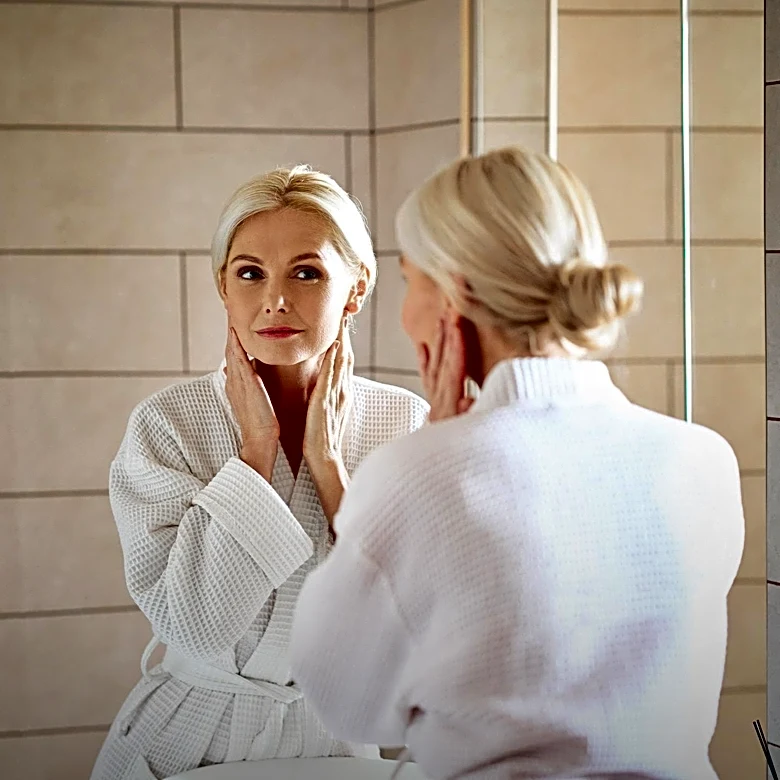
In Australia, the growing field of cosmetic surgery is often linked to patients' self-esteem. Many individuals who undergo cosmetic procedures are found to have low levels of self-esteem and utilize surgery as a means to rectify perceived issues with their body image. This suggests that the desire for cosmetic enhancement can stem from deeper psychological needs related to self-perception and confidence. The increasing popularity of these surgeries is partly driven by social media platforms, such as Facebook and Instagram, which exert significant influence on people's lives and contribute to heightened public awareness of aesthetic ideals.Despite high satisfaction rates reported by patients with their initial cosmetic procedure results, numerous studies indicate that a large portion of these patients seek additional surgeries. This trend suggests that cosmetic surgery, in many instances, may not fully resolve underlying self-esteem issues but can, in fact, enhance them, leading to a continuous pursuit of further modifications. The common impression that elective cosmetic surgeries carry lower risks than other medical procedures can be misleading, as all invasive procedures involve inherent risks. Critics often struggle to reconcile the perceived benefits with these potential risks, highlighting a societal debate about the true value and impact of elective aesthetic interventions.
Social Media, Celebrity Influence, and Youth in China
China's cosmetic surgery boom is significantly driven by social and cultural factors, particularly among its youth. Over 10 million people in China have undergone cosmetic surgery, with a striking 8.5 million of them being under 30 years old. This intense fixation on physical beauty has escalated demand, largely propelled by the pervasive influence of Korean pop stars, other celebrities, and social media. These platforms play a crucial role in shaping beauty ideals and prompting young individuals to consider and undergo cosmetic procedures.The historical context in China also reveals shifting societal attitudes. While cosmetic surgeries were condemned as "bourgeois" during the Cultural Revolution for focusing on exterior form over practicality, the 1980s marked a period of increasing acceptance and rapid growth in the field. This shift reflects broader societal changes and a growing emphasis on individual appearance. The market has evolved significantly since cosmetic surgery was introduced in Beijing in 1994, becoming the world's third-largest cosmetic surgery market by 2018, with forecasts predicting continued substantial growth. This growth underscores the powerful role of social and media influences in shaping aesthetic desires and driving market expansion.
Beauty Standards, Employment, and Mental Health in South Korea
South Korea exhibits one of the highest rates of voluntary cosmetic surgery globally, deeply influenced by its unique societal pressures. The modern Korean interest in physical appearance has historical roots in physiognomy, the belief that facial features reveal personality and destiny. This concept intensified during the Japanese colonial period, linking certain facial features to intelligence and nobility. The introduction of plastic surgery techniques by American doctors during the Korean War further cemented the idea that altering one's face could change one's destiny.Post-1997 Asian financial crisis, the deregulation of South Korea's labor market led to intense competition for jobs, prompting citizens to seek every possible advantage, including cosmetic surgery. This trend persists, with many companies requiring photos, height, and sometimes family background information as part of the hiring process. Societal beauty standards, heavily conveyed by television, the internet, actors, and K-pop stars, negatively impact mental health by decreasing self-esteem and increasing anxiety. The pressure to succeed in work and marriage is deeply rooted in an individual's ability to manage their physical appearance, leading many Koreans to feel compelled to undergo plastic surgery to achieve a look often referred to as "natural beauty." This expectation has spread beyond urban centers, reaching rural towns, partly due to the widespread popularity of K-pop idols.