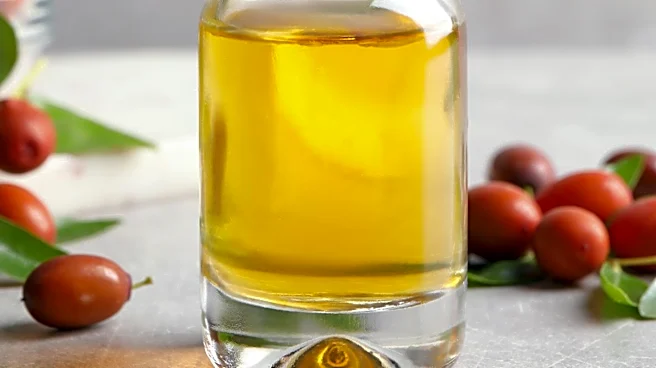









Jojoba oil is a fascinating substance derived from the seeds of the jojoba plant, native to regions like southern Arizona, southern California, and northwestern Mexico. Unlike most vegetable oils, jojoba oil is not a triglyceride but a liquid wax. This unique composition gives it remarkable stability and makes it a popular choice in various industries, particularly cosmetics. Understanding the chemistry of jojoba oil reveals why it stands out among
other natural oils.
Composition and Stability
Jojoba oil is primarily composed of mono-esters of long-chain fatty acids and alcohols, making up about 97% of its structure. This composition is what classifies it as a wax rather than a traditional oil. The presence of isopropyl jojobate, a type of alcohol, further distinguishes it from other oils that are rich in triglycerides. This unique chemical makeup contributes to jojoba oil's exceptional stability, both in terms of shelf life and resistance to high temperatures.
The stability of jojoba oil is one of its most valued properties. It has an oxidative stability index of approximately 60, which is higher than many other oils like safflower, canola, and almond oils. This means that jojoba oil is less prone to oxidation, making it a durable ingredient in products that require a long shelf life. Its ability to remain stable at high temperatures also makes it suitable for various industrial applications.
Physical Properties
At room temperature, unrefined jojoba oil appears as a clear golden liquid with a slightly nutty odor. When refined, it becomes colorless and odorless, which is often preferred in cosmetic formulations. The melting point of jojoba oil is around 10 °C (50 °F), which allows it to remain liquid at most ambient temperatures, unlike many other waxes that are solid at room temperature.
The iodine value of jojoba oil is approximately 80, indicating a moderate level of unsaturation. This property contributes to its stability and makes it less reactive than oils with higher iodine values. The combination of these physical properties makes jojoba oil a versatile ingredient in products ranging from skincare to haircare.
Applications in Cosmetics
Jojoba oil's chemical properties make it an ideal ingredient in cosmetics, particularly those marketed as natural. Its similarity to human sebum allows it to be easily absorbed by the skin, providing moisturizing benefits without leaving a greasy residue. This makes it a popular choice in lotions, moisturizers, shampoos, and conditioners.
The oil's stability ensures that cosmetic products maintain their efficacy over time, even when exposed to varying environmental conditions. This reliability, combined with its natural origin, has led to its widespread use in the beauty industry. As consumers continue to seek out natural and effective skincare solutions, jojoba oil remains a staple ingredient due to its unique chemical properties and benefits.