





The third-person effect is not merely a psychological phenomenon confined to individual perceptions; it also has a significant behavioral component. This aspect of the hypothesis suggests that the perception of media's greater influence on others can lead individuals to take concrete actions. Often, these actions are driven by a desire to protect others from perceived negative persuasive impacts, even if the individual themselves claims to be unaffected.
This behavioral manifestation highlights how our beliefs about others' susceptibility can shape our own choices and societal regulations.
Censorship as a Consequence of Third-Person Perception
One of the most studied behavioral outcomes of the third-person effect is the willingness to censor content. W. Phillips Davison, who first articulated the hypothesis, noted that censors seldom admit to being adversely affected by the information they proscribe. This observation aligns with the idea that individuals might advocate for censorship not because they feel personally harmed, but because they believe others are vulnerable. Scholars have operationalized behavior in this context as a willingness to restrict content to prevent its perceived negative persuasive impact on others.
Numerous studies have found support for this link. For example, third-person perception has been shown to predict a willingness to censor pornography, sexual and violent television content, and advertising for cigarettes, beer, liquor, and gambling. The 1997 study by Douglas McLeod et al., which examined perceptions of violent or misogynistic rap music lyrics, also found that students who perceived these lyrics as more influential on others (like youths in New York or Los Angeles) were more likely to support censorship of such content. This demonstrates a direct line from the perception of others' vulnerability to a behavioral response aimed at protection.
Third-Person Effect in the Digital Age: Web and Social Media
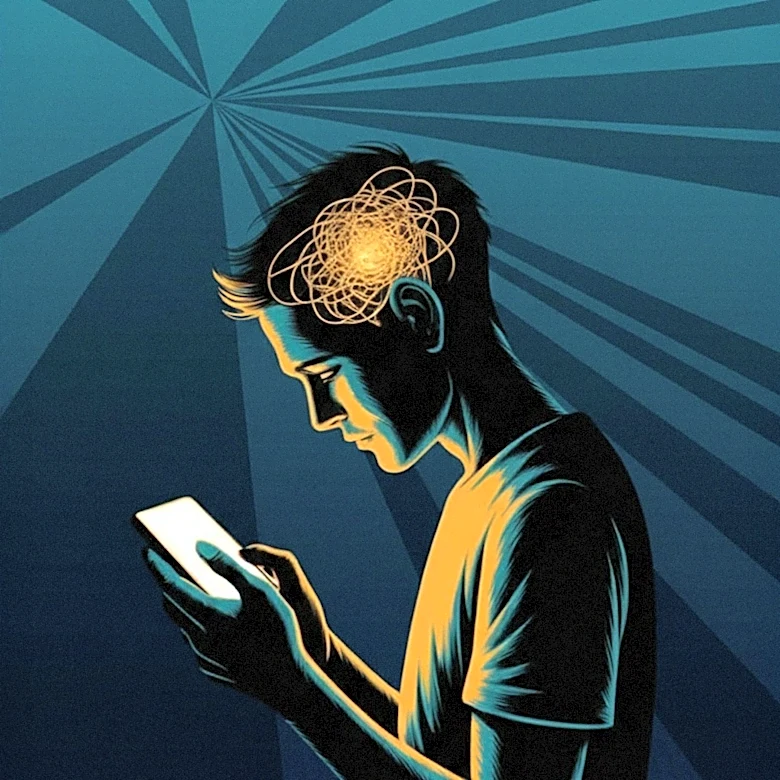
The third-person effect extends into the digital realm, particularly with the rise of social media and media websites, where it is sometimes referred to as the "Web Third-person effect" (WTPE). A 2015 study by Nikos Antonopoulos et al. confirmed the existence of WTPE, finding that characteristics users observe when visiting a media website influence their opinion and verify the effect. This study, using an online survey with a large sample, identified several variables that had a greater impact on others or friends than on oneself.
These variables included the number of users concurrently online on the same media website, the exact number of users who had read each article, and the number of users who had shared a news article on platforms like Facebook or Twitter. Age was also found to be a significant factor. This research suggests that the perceived popularity or widespread engagement with online content by others can amplify the belief that such content is more influential on them than on oneself, potentially leading to behavioral responses related to sharing or engaging with that content.
Privacy Settings and the Third-Person Effect
The third-person effect also plays a role in how individuals manage their privacy settings online. Many social networking services have default privacy settings that make users prone to sharing personal information. However, users often do not change these settings unless they personally experience a privacy invasion or unintentionally share information. A possible explanation for this inaction is the third-person effect: individuals believe they have a lower chance of a privacy invasion than someone else, thinking they are safer than others.
This "protective mindset" is flawed, as anyone is susceptible to privacy invasions. The privacy paradox, which states that individuals' privacy attitudes and beliefs do not match their privacy behavior, intertwines with the third-person effect. People may believe privacy is important but do not think a privacy-related incident will happen to them over others. Recognizing personal privacy as important is a low-cost effort, but taking measures to protect it can be perceived as too high-cost, explaining the discrepancy. This illustrates how the third-person effect can lead to a lack of proactive behavior in safeguarding personal information, as individuals underestimate their own vulnerability.