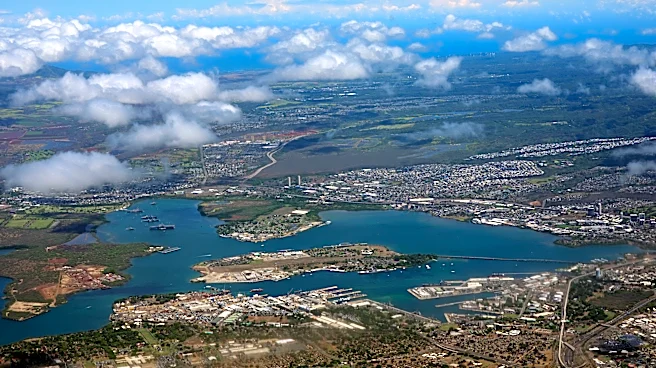
Naval Base Hawaii served as a critical military installation for the United States Navy during World War II, transforming the Hawaiian Islands from a tourist destination into a vital armed forces base. Its strategic importance escalated significantly after the loss of the U.S. Naval Base Philippines in the 1941-1942 campaign, making Hawaii the primary base for the early stages of the Pacific War's island-hopping strategy against the Empire of Japan.
This shift underscored Hawaii's indispensable role in projecting American power across the vast Pacific theater.
The Genesis and Expansion of Pearl Harbor
Naval Station Pearl Harbor, a cornerstone of Naval Base Hawaii, was established in 1899 following the annexation of Hawaii. While a naval station had existed in Pearl Harbor since 1898, a significant turning point came in 1908 when the United States Congress allocated $3 million for the construction of Navy Yard Pearl Harbor. This investment laid the groundwork for the extensive facilities that would become crucial decades later. By 1940, President Roosevelt had already moved the Pacific Fleet from San Pedro to Honolulu's Naval Base Pearl Harbor, a strategic decision made in response to Japanese military actions in China, further solidifying its importance even before the U.S. officially entered the war.
The Attack and Its Aftermath
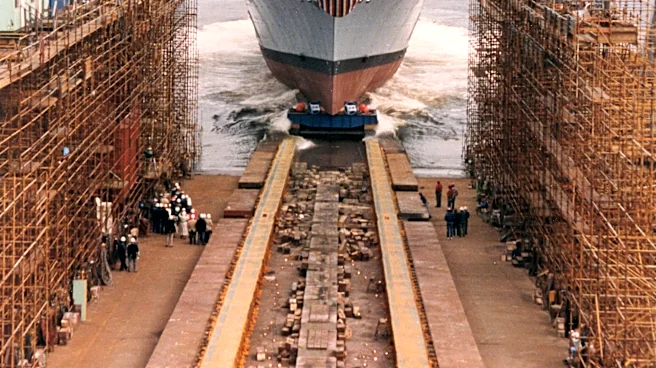
On December 7, 1941, Japan launched a surprise military strike on Naval Base Hawaii in Pearl Harbor. This devastating attack, though a significant blow, did not cripple the U.S. Pacific Fleet as intended. Remarkably, all of the Pacific Fleet's aircraft carriers were at sea during the assault, and most of the other ships sunk in the attack were eventually repaired and returned to service. The Pearl Harbor Naval Shipyard, a key component of the base, rapidly became a major repair facility, demonstrating the resilience and operational capacity of the U.S. Navy.
A Lifeline for the Pacific Campaign
Beyond its role as a repair hub, Hawaii functioned as a major supply and refueling depot for the entire Pacific War effort. The logistical demands of a vast island-hopping campaign required an immense flow of resources, and Naval Base Hawaii was central to meeting these needs. A large fleet of United States Merchant Navy ships played a crucial role in keeping the base's depots continuously supplied, ensuring that American forces had the fuel, ammunition, and provisions necessary to sustain their operations across the Pacific. This extensive logistical network was fundamental to the success of the Allied forces in the region.