





Back belts, including those used in weightlifting and industrial settings, are widely adopted with the intention of preventing injury and enhancing performance. However, despite their prevalence, the scientific community and regulatory bodies hold mixed views regarding their overall effectiveness and safety. A significant debate exists concerning whether these devices truly deliver on their promises, or if they might inadvertently lead to other issues.
This article delves into the controversies, scientific findings, and regulatory perspectives that shape the ongoing discussion about the utility of back belts.
Conflicting Views on Muscle Engagement and Stabilizer Benefits
One of the central points of contention surrounding weightlifting belts and back belts in general revolves around their impact on the body's intrinsic stabilizer muscles. While a belt is designed to reduce stress on the lower back muscles by increasing intra-abdominal pressure, some perspectives suggest that this external support might come at a cost. There are mixed reviews indicating that when a belt provides significant support, the body's own stabilizer muscles may receive less benefit from the exercise. This implies a potential trade-off: while the belt aids in lifting heavier loads and reducing acute spinal stress, it might reduce the direct engagement and strengthening of the very muscles responsible for natural spinal stability.Scientific studies have explored this aspect. For example, research by Chen et al. (2006) observed lower muscle activity in the erector spinae, a key back muscle, when a newly designed industrial lifting belt was used. While this might suggest reduced strain on these muscles, it also raises questions about their long-term development and strength when consistently relying on external support. The debate centers on whether the temporary assistance provided by the belt outweighs the potential for reduced activation and development of the body's natural core stabilizers, especially during general exercise rather than maximal lifts.
Scientific Evidence on Injury Prevention and Movement Patterns
The effectiveness of back belts in preventing injuries, particularly in occupational settings, has been a subject of rigorous scientific inquiry, yielding results that often challenge popular assumptions. A significant study by Wassell et al. (2000), which involved over 13,000 employees using back belts, found no statistically significant reduction in injury rates. This finding suggests that, at least in the context of a large industrial workforce, the widespread use of back belts did not translate into a measurable decrease in back injuries. Such results underscore the complexity of injury prevention and the limitations of relying solely on wearable devices.Furthermore, research has indicated that back belts can alter natural movement patterns. Nimbarte et al. (2005) noted altered inter-joint coordination in individuals wearing back belts, observing an increased reliance on hip and knee flexion during lifting tasks. While this adaptation might reduce direct spinal loading, it represents a change from typical biomechanics. These findings contribute to the understanding that back belts do not simply provide passive support but can actively influence how the body moves and distributes load, potentially shifting stress to other joints or muscle groups. The implications of these altered movement patterns for long-term musculoskeletal health are part of the ongoing scientific discussion.
Regulatory Stance and Safety Concerns
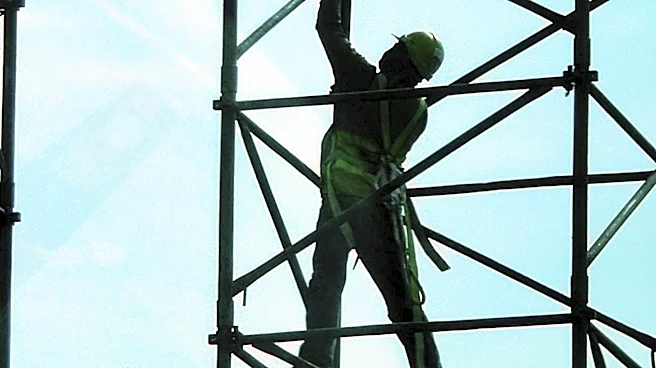
Regulatory bodies and occupational safety organizations have taken a cautious stance on the use of back belts, particularly in industrial settings. Both the National Institute for Occupational Safety and Health (NIOSH) and the Occupational Safety and Health Administration (OSHA) emphasize that back belts are not a substitute for proper ergonomics and comprehensive training programs. Their guidelines prioritize hazard assessment, the implementation of mechanical aids, and thorough posture training as the most effective strategies for preventing back injuries in the workplace. This position reflects a broader understanding that systemic changes to work environments and worker education are more impactful than individual wearable devices.A significant concern highlighted by these organizations is the potential for workers to overestimate the protection offered by back belts. This overestimation can lead to a false sense of security, prompting individuals to lift heavier loads or adopt riskier postures than they would without a belt, thereby increasing their actual risk of injury. Moreover, regulatory standards like OSHA and ISO 11228-1 do not classify back belts as personal protective equipment (PPE) for healthy workers, further underscoring their view that these belts should not be considered primary protective measures. The emphasis remains on creating inherently safer work environments and educating workers on safe lifting practices.
Differentiated Recommendations for Use
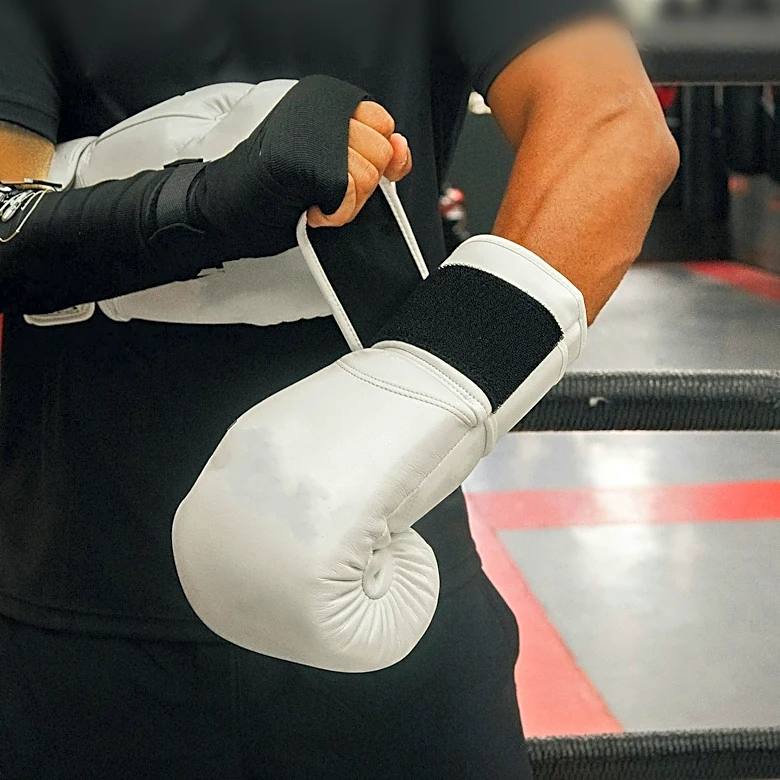
Given the mixed scientific evidence and regulatory caution, recommendations for back belt usage are often highly differentiated, particularly between athletic and general or industrial applications. For experienced athletes, especially during maximal lifts in weightlifting or powerlifting, weightlifting belts are generally recommended. In these specific contexts, belts have been shown to improve performance and reduce spinal stress under extremely heavy loads. The benefit here is often seen as acute performance enhancement and immediate spinal protection during peak efforts, where the goal is to lift the absolute maximum weight.However, for general exercise use or for everyday tasks in industrial settings, the recommendations are far more conservative. Experts typically advise against the routine use of back belts for general exercise, suggesting that consistent reliance might hinder the development of natural core strength. Similarly, in industrial settings, the consensus leans towards prioritizing ergonomic interventions and training over the widespread, uncritical use of back belts. The nuanced understanding is that while belts can be a valuable tool for specific, high-intensity athletic endeavors, their role as a universal injury prevention device in other contexts is largely unsupported by current evidence and regulatory guidance.