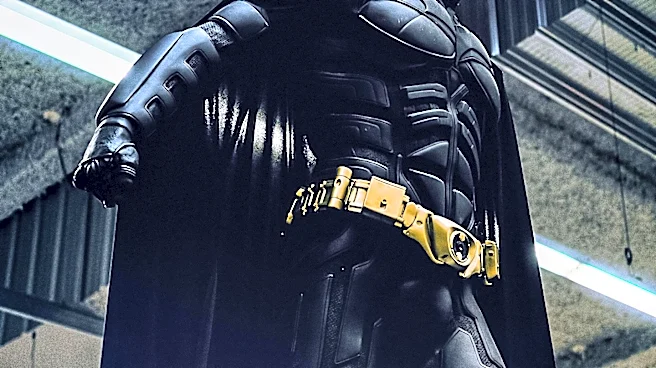






The Dark Knight, released in 2008, stands as a pivotal entry in the Batman film series. Directed by Christopher Nolan, this film not only redefined the superhero genre but also elevated the Batman franchise to new heights. As part of a trilogy, The Dark Knight is often celebrated for its complex narrative, compelling characters, and its impact on both audiences and the film industry.
The Vision of Christopher Nolan
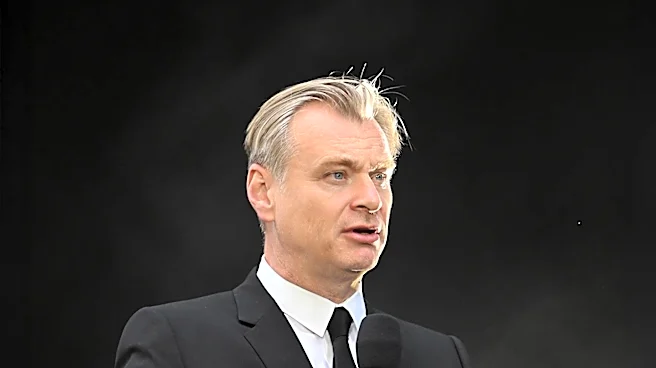
Christopher Nolan's direction brought a fresh perspective to the
Batman series. Known for his intricate storytelling and attention to detail, Nolan crafted a film that was both a thrilling action movie and a deep psychological exploration. His approach to The Dark Knight was to ground the story in a sense of realism, making the characters and their struggles relatable to the audience. This vision was a departure from previous Batman films, which often leaned more towards fantasy and spectacle.
Nolan's decision to focus on the moral and ethical dilemmas faced by the characters added layers to the narrative. The film's exploration of themes such as chaos versus order and the nature of heroism resonated with viewers, making it more than just a typical superhero movie. This depth of storytelling set a new standard for films within the genre.
Iconic Performances and Characters
One of the most memorable aspects of The Dark Knight is its cast, particularly Heath Ledger's portrayal of the Joker. Ledger's performance was widely acclaimed, earning him a posthumous Academy Award for Best Supporting Actor. His interpretation of the Joker as a chaotic and unpredictable force of nature brought a new dimension to the character, making him one of the most iconic villains in film history.
The film also featured strong performances from Christian Bale as Batman and Aaron Eckhart as Harvey Dent. Bale's portrayal of Batman was both intense and nuanced, capturing the duality of Bruce Wayne's character. Eckhart's transformation from the idealistic district attorney to the vengeful Two-Face added another layer of complexity to the story. These performances contributed significantly to the film's success and its lasting impact on audiences.
The Legacy of The Dark Knight
The Dark Knight's influence extends beyond its immediate success at the box office. It has been credited with changing the way superhero films are perceived, proving that they can be both commercially successful and critically acclaimed. The film's success also paved the way for more serious and mature storytelling within the genre, influencing subsequent films in the Batman series and beyond.
Moreover, The Dark Knight's impact is evident in its cultural significance. It sparked discussions about the nature of heroism and the moral complexities faced by those who fight for justice. The film's themes and characters continue to resonate with audiences, ensuring its place as a landmark in cinematic history.
In conclusion, The Dark Knight is more than just a film in the Batman franchise; it is a cultural phenomenon that redefined the superhero genre. Through Christopher Nolan's visionary direction, iconic performances, and its lasting legacy, The Dark Knight remains a significant milestone in both the Batman series and the broader landscape of cinema.