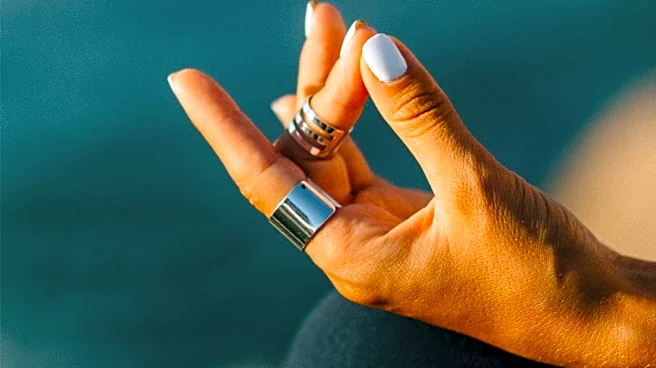




Among the various mudras, or symbolic hand gestures, Apana Vayu mudra stands out for its significant association with heart health. Often referred to as a "life-saving gesture," this mudra is believed to offer considerable benefits for individuals dealing with heart conditions and can even help mitigate the severe consequences of a heart attack. Its practice is thought to increase vitality, relax muscles, and effectively alleviate pain, making it a valuable
tool in holistic health practices.
Understanding the Therapeutic Potential
The concept of mudras is rooted in the belief that specific hand positions can influence the body's energy flow and communicate with the mind to achieve balance and healing. The Apana Vayu mudra, in particular, is highlighted for its ability to address issues related to the heart. This suggests a direct energetic connection between the gesture and the cardiovascular system, according to traditional understanding. The idea is that by performing this mudra, one can stimulate internal processes that support heart function and recovery.Ancient Eastern medical traditions considered the hand a concentrated area of life energy, or prana. By applying specific pressure and positions with the fingers, this prana can be directed to various parts of the body to promote healing. In the case of Apana Vayu mudra, the focus is on channeling this vital energy to support the heart, potentially aiding in the management of heart diseases and reducing the impact of acute cardiac events.
Practice and Benefits for Well-being
While the specific method of performing Apana Vayu mudra is not detailed, the general principles of mudra practice apply. Mudras can be performed in any comfortable position, whether sitting or lying down, and at any convenient time. For therapeutic purposes, a calm and quiet environment is often recommended to enhance effectiveness. Typically, mudras are practiced with both hands simultaneously, with gentle finger touches, for durations ranging from 3 to 45 minutes.The belief in its life-saving capacity underscores its perceived importance in emergency situations, suggesting it could be a first-response measure to support an individual experiencing a heart attack. Beyond emergencies, regular practice is thought to contribute to overall vitality, muscle relaxation, and general pain relief. This makes Apana Vayu mudra a versatile gesture, not only for critical moments but also for ongoing maintenance of physical and energetic well-being, particularly for those concerned with cardiovascular health.