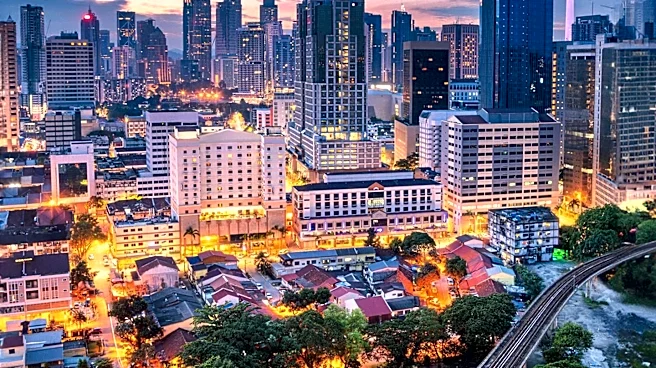








Kuala Lumpur, the capital city of Malaysia, is not only the political heart of the country but also a vibrant cultural and economic hub. This article explores how Kuala Lumpur has become a center of cultural diversity and economic activity, attracting people from all over the world. From its iconic landmarks to its bustling markets, Kuala Lumpur offers a unique blend of tradition and modernity.
Cultural Diversity
Kuala Lumpur is renowned for its cultural diversity, which
is reflected in its architecture, cuisine, and festivals. The city is home to a mix of ethnic groups, including Malays, Chinese, Indians, and others, each contributing to the rich tapestry of Kuala Lumpur's cultural landscape. This diversity is evident in the city's vibrant neighborhoods, where traditional markets and modern shopping malls coexist.
The city's cultural heritage is also showcased in its numerous festivals and events. Celebrations such as Chinese New Year, Deepavali, and Hari Raya are marked with colorful parades and festivities, drawing locals and tourists alike. Kuala Lumpur's cultural scene is further enriched by its museums, art galleries, and theaters, which offer a glimpse into the city's artistic and historical heritage.
Economic Significance
As a major economic hub, Kuala Lumpur plays a crucial role in Malaysia's economy. The city is home to the Kuala Lumpur Stock Exchange and numerous multinational corporations, making it a key player in the global business arena. The presence of iconic structures like the Petronas Twin Towers underscores Kuala Lumpur's economic significance and its status as a center for finance and commerce.
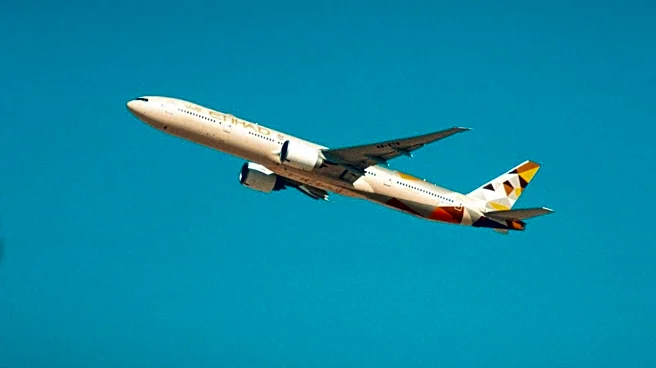
Kuala Lumpur's strategic location and well-developed infrastructure have attracted foreign investment and facilitated trade. The city's transportation network, including its international airport and extensive road and rail systems, connects it to major cities around the world. This connectivity has made Kuala Lumpur a preferred destination for business travelers and investors.
Tourism and Development
Tourism is another vital component of Kuala Lumpur's economy. The city is one of the most visited destinations in the world, drawing millions of tourists each year. Visitors are captivated by Kuala Lumpur's blend of modern skyscrapers and historical landmarks, such as the Kuala Lumpur Railway Station and Jamek Mosque.
The city's tourism industry has spurred the development of hotels, shopping centers, and entertainment venues, further boosting its economy. Kuala Lumpur's ability to balance tradition with modernity makes it an attractive destination for tourists seeking a unique cultural experience.
Kuala Lumpur's role as a cultural and economic hub is a testament to its dynamic growth and development. The city's cultural diversity and economic prowess have positioned it as a leading city in the region, offering a unique blend of experiences for residents and visitors alike.