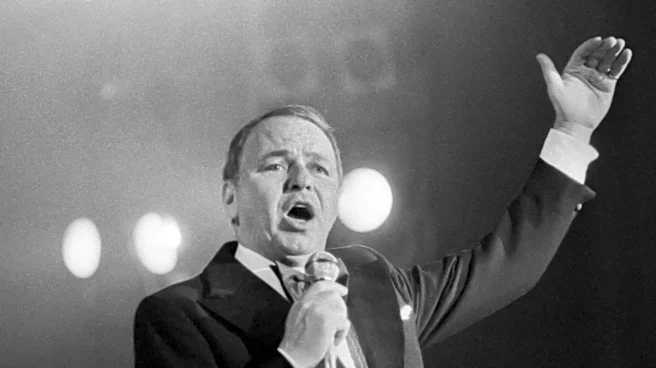










Frank Sinatra, born in 1915, was an American singer and actor whose music career spanned several decades, leaving an indelible mark on the 20th century. Known for his timeless music, Sinatra sold over 150 million records worldwide, making him one of the best-selling music artists of all time. His journey from a young crooner to a global icon is a testament to his talent and influence in the music industry.
Early Beginnings
Sinatra's musical career began in the swing
era in 1935. He was influenced by the crooner Bing Crosby, which sparked his passion for singing. Despite having a perforated eardrum from birth, Sinatra pursued his dream, performing in small clubs and radio shows. His big break came when he joined Harry James' orchestra in 1939, recording several songs and gaining recognition.
In 1940, Sinatra's career took a significant turn when he joined Tommy Dorsey's big band. With Dorsey, he recorded numerous hits, including "I'll Never Smile Again" and "Imagination." These recordings showcased his unique vocal style and helped him gain popularity. Sinatra's ability to hold notes and his impeccable phrasing set him apart from other singers of the time.
Rise to Stardom
Sinatra's solo career began in 1942, and he quickly became a sensation. His performances at the Paramount Theatre in New York were met with overwhelming success, solidifying his status as a leading figure in music. Throughout the 1940s, Sinatra appeared in films and radio shows, further expanding his reach.
In 1953, Sinatra's career experienced a resurgence when he won an Academy Award for his role in "From Here to Eternity." This achievement marked a turning point, as he began to focus on more serious roles in films. His music career also flourished during this time, with hits like "I've Got You Under My Skin" and "Strangers In The Night" becoming classics.
Lasting Legacy
Sinatra's influence extended beyond music. He was known for his support of civil rights and his involvement in political campaigns, including John F. Kennedy's presidential inauguration. His collaborations with other artists, such as Elvis Presley and Aretha Franklin, showcased his versatility and ability to adapt to changing musical landscapes.
Even after his retirement in 1971, Sinatra's music continued to resonate with audiences. He returned to the stage in 1973 and recorded several albums, including "My Way," which became a global success. Sinatra's legacy is celebrated through his timeless recordings and his impact on the music industry, making him a true icon of the 20th century.