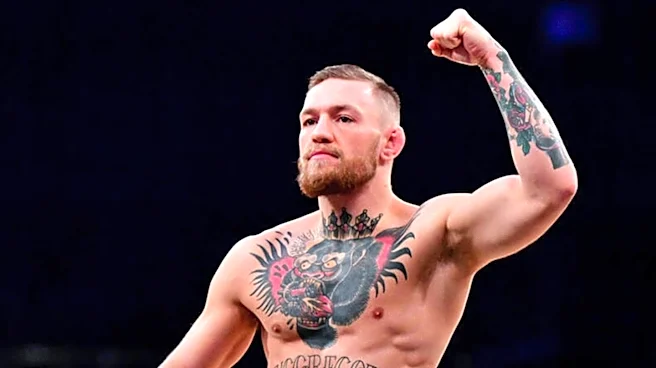



UFC 229, held on October 6, 2018, at the T-Mobile Arena in Paradise, Nevada, culminated in a highly anticipated main event between Khabib Nurmagomedov and Conor McGregor. While Nurmagomedov secured a victory via fourth-round submission, the fight's conclusion was immediately overshadowed by a chaotic post-fight brawl that drew widespread attention and led to significant repercussions for all involved. This incident transformed a record-breaking sporting
event into a major controversy, prompting investigations and disciplinary actions from the Nevada State Athletic Commission (NSAC).
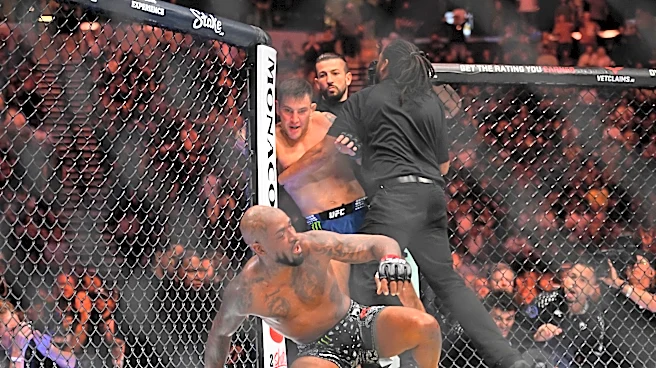
Seconds after the fight was officially stopped, Nurmagomedov hurled his mouthpiece towards McGregor’s corner. He then proceeded to climb out of the octagon and charged directly toward McGregor's cornerman, Dillon Danis, initiating a physical altercation. Following this, McGregor and Khabib's cousin, Abubakar Nurmagomedov, also attempted to climb out of the octagon, leading to a scuffle between them. Simultaneously, back inside the octagon, McGregor was attacked by two other members of Nurmagomedov's team: Zubaira Tukhugov and Esed Emiragaev. The arena descended into a mass brawl, requiring the intervention of police and UFC security to restore order.
Immediate Consequences and Investigations
In the immediate aftermath, Nurmagomedov was declared the winner, but the traditional presentation of his championship belt in the octagon was withheld due to concerns that it might further inflame the already volatile situation. Both Nurmagomedov and McGregor were promptly escorted out of the arena. A significant financial consequence followed swiftly: Nurmagomedov's payment for the fight was withheld by the Nevada State Athletic Commission (NSAC) pending a full investigation into his actions during the post-fight melee. This decision highlighted the seriousness with which the commission viewed the incident.
Nurmagomedov later appeared at the post-fight interview, where he offered an apology to the NSAC. He stated that his actions were provoked by what he described as "trash-talk" from McGregor's team, which he claimed targeted his family, nation, and religion. He also referenced the UFC 223 bus incident, suggesting it contributed to his emotional state. However, Dillon Danis, the cornerman Nurmagomedov initially confronted, denied making any religious insults during the fight, though UFC President Dana White confirmed hearing insults from Danis. The NSAC announced that it would file formal complaints against both McGregor and Nurmagomedov, and both fighters received a temporary suspension for ten days starting October 15, with a hearing scheduled for October 24.
Disciplinary Actions and Fines
On October 24, the NSAC unanimously voted to release half of Nurmagomedov's withheld payout. The commission also issued temporary suspensions for both fighters and mandated their personal appearance at a further hearing in December to resolve the case. The final disciplinary actions were announced on January 29, 2019. Khabib Nurmagomedov received a nine-month suspension and a substantial fine of $500,000. His agreement included a potential reduction of up to three months on his suspension if he delivered a public service announcement on anti-bullying, subject to the commission's approval of the PSA and its distribution plan. However, Nurmagomedov later declined to participate in the PSA, stating, "The state of Nevada is where drugs, prostitution and gambling are officially permitted. Let them work on themselves."
Conor McGregor was suspended for six months and fined $50,000 for his role in the incident. In separate agreements, Abubakar Nurmagomedov and Zubaira Tukhugov, both members of Khabib's team who were involved in the octagon altercation, each received a one-year suspension. All suspensions were made retroactive to the date of the event. Dillon Danis, McGregor's cornerman, was suspended for seven months and fined $7,500, also retroactive to the event date. On May 22, 2019, the NSAC reduced the suspensions for Abubakar Nurmagomedov and Tukhugov by 35 days, making them eligible to compete again on September 1, 2019. The extensive disciplinary measures underscored the commission's commitment to maintaining order and sportsmanship within the sport, even in the face of intense rivalries.