








F. L. Lucas's 1955 book, *Style*, stands as a significant work on the craft of writing and the appreciation of effective prose. Expanded from lectures given to English literature students at Cambridge University, the book addresses fundamental questions: "Why is so much writing wordy, confused, graceless, dull?" and "What are the qualities that endow language, spoken or written, with persuasiveness or power?" Lucas's answer centers on "courtesy to readers,"
a vital thread that unifies his principles of good writing. This emphasis on good manners, urbanity, good humor, grace, and control forms the bedrock of the book's enduring usefulness.
Structured as a series of eleven essays, *Style* is rich with quotations and anecdotes, serving as illustrations of the very virtues it commends. Lucas begins by defining style in prose and discussing its importance. While acknowledging that style is a reflection of personality—stating, "The problems of style are really problems of personality"—he concludes that writers should strive to write from "the best side of their characters, and at their best moments." This perspective suggests that while innate personality plays a role, conscious effort and ethical considerations are crucial to developing a strong and effective writing style.
Elements of Lucid Prose and Perils to Avoid
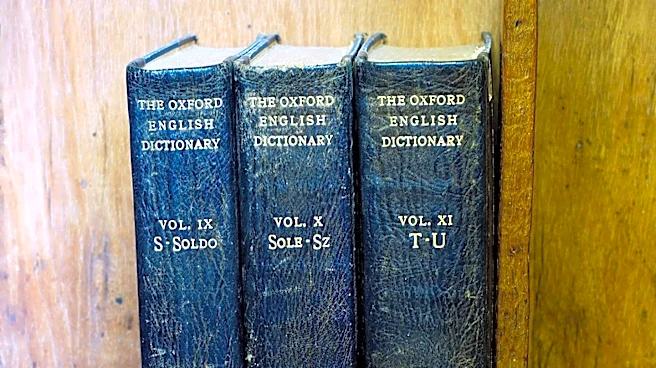
Lucas meticulously outlines the elements necessary for a lucid, varied, and pointed prose style. He provides guidance on word choice, sentence structure, and paragraph construction, all aimed at achieving clarity and impact. The book also serves as an "anthology of weeds as well as flowers," offering warnings against common pitfalls that can detract from good writing. He advises against redundancy and clichés, suggesting that writers should consult dictionaries and style guides to refine their language.
Passages analyzed in *Style* are drawn from a wide array of genres, including letters, essays, criticism, biography, history, novels, and plays. Writers such as Voltaire, Montesquieu, Gibbon, the later Johnson, Macaulay, Sainte-Beuve, Anatole France, Lytton Strachey, and Desmond MacCarthy are praised for their stylistic prowess. Lucas also dedicates a chapter to the rhythms of prose and euphony, recognizing the musicality of language as an essential component of effective writing. He discusses figures of speech like simile and metaphor, and rhetorical tropes such as irony and syntactical devices like inversion and antithesis, providing practical insights into their use.
The Importance of Purity and Revision
Lucas stresses the importance of "preserving the purity of the English tongue," referring readers to Fowler's *Modern English Usage* for points of correct English usage. While acknowledging that languages evolve, he also warns against degeneration. He famously stated, "I can think of no constantly perfect stylist who has not laboured like an emmet," underscoring the diligent effort required for excellent writing. He also encourages self-criticism, urging writers to constantly ask, "Do I really mean that? Have I said it for effect, though I know it is exaggerated? Or from cowardice, because otherwise I should be ill thought of?" This introspective approach highlights the ethical dimension of writing.
The book also explores different methods of planning, composition, and revision. Lucas's advice on viewing one's "mental offspring as relentlessly as a Spartan father" emphasizes the need for rigorous self-editing. He believed that if a writer does not "expose" their unsound work, others will, albeit in a different sense. This commitment to thorough revision and critical self-assessment is presented as integral to producing high-quality prose. The book's enduring message is that good writing is not merely about following rules, but about a thoughtful, courteous, and disciplined engagement with language.