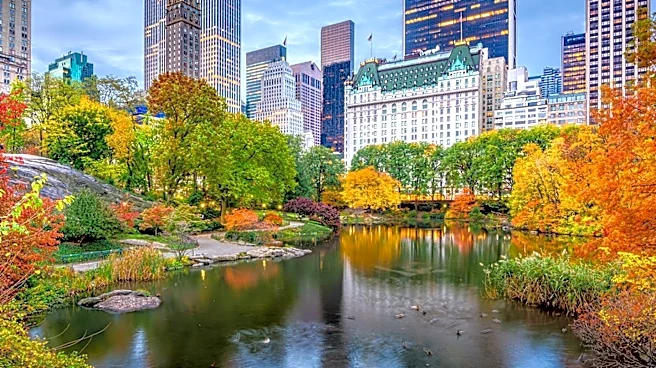

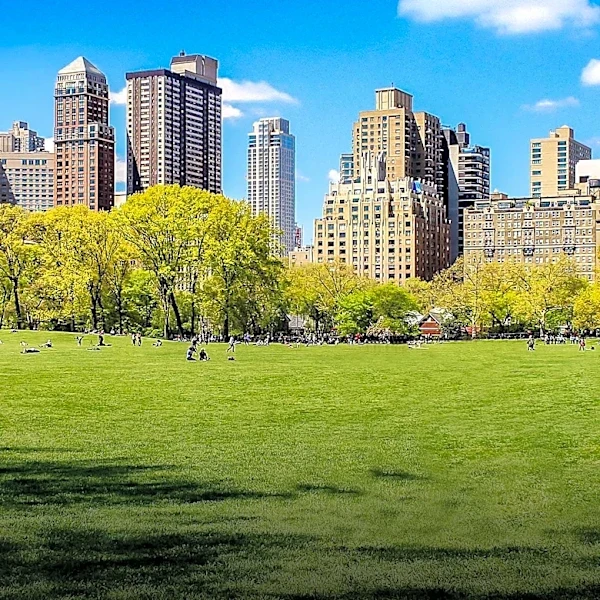








Central Park, nestled in the heart of Manhattan, is not only a recreational space for humans but also a thriving habitat for a diverse array of wildlife. This urban park, spanning 843 acres, provides a sanctuary for numerous species of birds, mammals, and other creatures. The park's carefully designed landscapes and natural features create an environment where wildlife can flourish amidst the bustling city. This article explores the rich biodiversity
of Central Park and the natural habitats that support it.
Avian Diversity in Central Park
Central Park is a birdwatcher's paradise, hosting an impressive variety of avian species. The park's location along the Atlantic Flyway makes it a crucial stopover for migratory birds. Each year, bird enthusiasts flock to the park to observe the seasonal migrations of these feathered travelers. With over 270 species recorded, Central Park offers a unique opportunity to witness a wide range of birds, from common city dwellers to rare visitors.
One of the park's notable birdwatching spots is Turtle Pond, where herons and other waterfowl can often be seen. The park's diverse habitats, including woodlands, meadows, and water bodies, provide essential resources for birds to feed, nest, and rest. The presence of such a rich avian community highlights the importance of Central Park as a vital urban ecosystem.
Mammals and Other Wildlife
In addition to its avian residents, Central Park is home to a variety of mammals and other wildlife. The park's green spaces and wooded areas offer refuge to species such as squirrels, raccoons, and rabbits. These mammals have adapted to the urban environment, finding food and shelter within the park's boundaries.
Central Park also supports a range of smaller creatures, including insects and amphibians. In 2002, a new species of centipede, Nannarrup hoffmani, was discovered in the park, showcasing the park's role in supporting biodiversity. This tiny arthropod thrives in the leaf litter and decomposing organic matter found beneath the park's trees.
Conservation and Management
The preservation of Central Park's wildlife is a testament to the efforts of the Central Park Conservancy and other organizations dedicated to maintaining the park's natural habitats. The Conservancy's work includes habitat restoration, invasive species management, and public education programs to raise awareness about the park's ecological significance.
By fostering a healthy environment for wildlife, Central Park serves as a model for urban conservation. The park's ability to support such a diverse range of species underscores the importance of green spaces in cities. As an urban oasis, Central Park continues to provide a vital connection to nature for both its human visitors and its wildlife inhabitants.