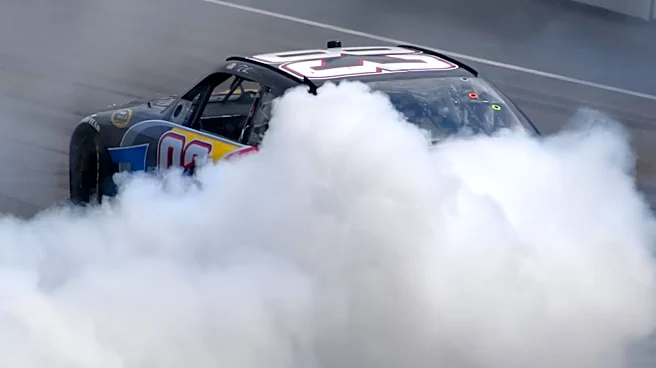







Burnouts, the practice of spinning a vehicle's tires while stationary to create smoke and heat, have long been a controversial aspect of automotive culture. While they are celebrated for their spectacle and entertainment value, burnouts also pose significant legal and environmental challenges. This article explores the legal implications of performing burnouts on public property and the environmental concerns associated with the practice.
Legal Challenges and Consequences
Performing
burnouts on public property is illegal in most countries, as it poses safety risks and can lead to property damage. The severity of punishments for engaging in burnouts varies by region. For example, in New South Wales, Australia, police have the authority to confiscate a vehicle for three months for a first offense. This strict enforcement highlights the potential legal consequences for those who choose to perform burnouts in unauthorized areas.
The legal challenges associated with burnouts are not limited to Australia. In March 2010, British Formula 1 World Champion Lewis Hamilton had his Mercedes car impounded for allegedly performing a burnout in Melbourne, Australia, while leaving the Albert Park Grand-Prix Circuit. This incident underscores the global legal implications of burnouts and the potential repercussions for high-profile individuals who engage in the practice.
Environmental Concerns
In addition to legal challenges, burnouts raise significant environmental concerns. The practice involves burning tire material, which produces fumes comparable to small tire fires. These fumes can have adverse effects on air quality and pose health risks to those exposed to them. The environmental impact of burnouts is a growing concern, particularly as the practice gains popularity in automotive events and competitions.
The production of smoke and heat during burnouts contributes to air pollution, and the burning of tire material releases harmful chemicals into the atmosphere. As awareness of environmental issues continues to grow, the impact of burnouts on the environment is likely to come under increased scrutiny.
Balancing Entertainment and Responsibility
While burnouts are celebrated for their entertainment value and have become a staple in automotive culture, it is essential to balance this with legal and environmental responsibility. Organizers of burnout contests and events must ensure that participants adhere to legal regulations and take steps to minimize the environmental impact of the practice.
As the popularity of burnouts continues to rise, it is crucial for automotive enthusiasts and event organizers to consider the legal and environmental implications of the practice. By promoting responsible behavior and adhering to regulations, the automotive community can continue to enjoy the spectacle of burnouts while minimizing their negative impact on society and the environment.