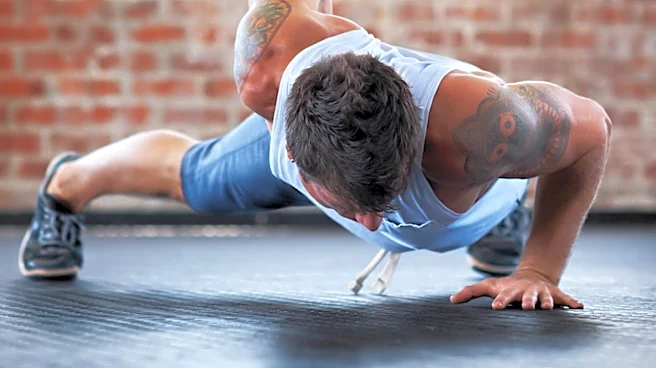

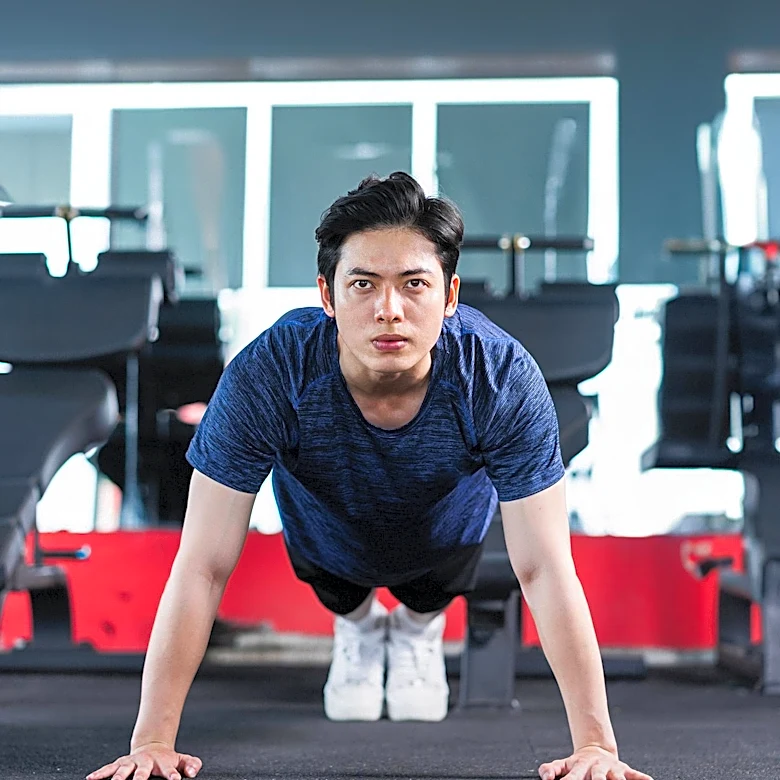


The push-up is more than just an exercise; it's a fundamental movement ingrained in physical culture, serving diverse purposes from general fitness to rigorous military conditioning. Its widespread adoption stems from its effectiveness in building upper body strength and its accessibility, requiring no specialized equipment. This makes it an ideal exercise for various settings, including civilian athletic training, physical education programs, and military regimens
worldwide. The push-up's enduring presence in these fields highlights its practical value and its ability to adapt to different training goals and environments.
A Staple in Physical Education and Military Regimens
In physical education, the push-up is a common exercise used to assess and develop upper body strength in students. Its straightforward execution allows for easy instruction and evaluation, making it a go-to for fitness tests. Similarly, in military physical training, the push-up is a core component, valued for its ability to build functional strength essential for combat readiness. It's a repetitive, basic exercise that contributes to overall physical conditioning, preparing individuals for the demanding physical challenges of military service. The exercise's simplicity and effectiveness ensure its continued inclusion in these structured training programs.
Beyond its training utility, the push-up has also historically been employed as a form of punishment in military, school sports, and some martial arts disciplines. This use is often attributed to its "humiliating factor" when an individual fails to complete a specified amount, as well as its lack of equipment, making it readily implementable in various disciplinary contexts. This dual role as both a developmental tool and a disciplinary measure underscores its deep integration into systems focused on physical and mental fortitude.
Historical Context and Cultural Impact
The term "push-up" in American English first appeared between 1905 and 1910, while its British counterpart,