






The LaPerm is a captivating cat breed, instantly recognizable by its signature curly coat, which gives it a charming and unique appearance. Originating from a spontaneous mutation in the United States, this rex breed stands apart not only for its distinctive fur but also for its elegant build and engaging personality. Beyond its visual appeal, the LaPerm possesses specific genetic traits and physical attributes that make it a fascinating subject for cat enthusiasts.
This profile delves into the defining characteristics that set the LaPerm apart in the feline world, from its soft waves and ringlets to its affectionate nature.
The Signature Curly Coat and Physical Attributes
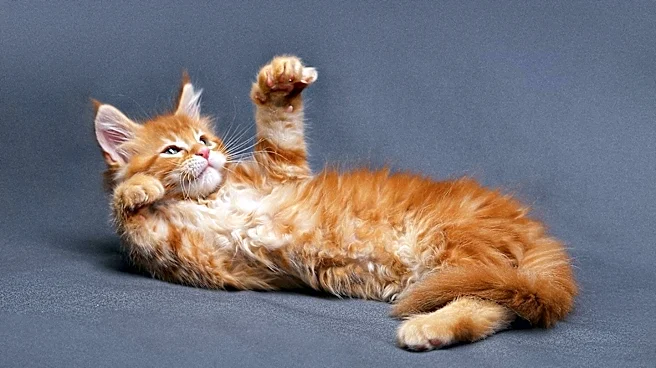
The most striking feature of the LaPerm is undoubtedly its coat, which is composed of soft waves, curls, and ringlets, often described as resembling a shaggy perm. This unique texture is caused by a dominant gene, making the LaPerm genetically distinct from other rex cat varieties. The coat's texture is more textured than silky, with a slight "drag" to the touch, akin to mohair. While shorthairs tend to have a crisper texture, longhairs typically exhibit a softer feel. The coat is loose and springy, standing away from the body without a thick undercoat, and its length and fullness can vary with the season and the cat's maturity.
Curls are most pronounced in the ruff and around the neck, and longhairs boast a curly, plumed tail, while shorthairs have a bottlebrush-like tail. Both varieties feature long, curled whiskers. The coat may also naturally part along the back. Beyond the curls, the LaPerm is described as a moderate breed with no extreme features, maintaining its original type. They possess a medium-sized, muscular foreign-type body with relatively long legs and neck. Their head is a modified wedge with rounded contours, a muzzle slightly broader than the wedge, a straight nose with a break between the eyes leading to a slightly flat forehead, broad nose, flared ears, and medium to large almond-shaped eyes. All colors and patterns are acceptable, with tabbies, reds, and tortoiseshell patterns being common due to the breed's origins. Less common colors like lilac, chocolate, and colorpoint have also been selected for, and recognized patterns include ticked tabby, shaded, and pointed varieties, with the Karpati pattern also being showable.
Temperament and Unique Health Considerations
Beyond their distinctive looks, LaPerms are known for their engaging personalities. They are characterized as affectionate, active, and outgoing, making them delightful companions. Their temperament often complements their unique appearance, contributing to their growing popularity. These cats are reputed to be hypoallergenic, meaning they provoke a significantly lower level of allergic response in humans compared to typical cats. This trait, combined with their often-described low-shedding nature, makes them a potentially suitable choice for individuals with mild cat allergies.
Their genetic uniqueness extends to their coat development. Some LaPerm kittens are born bald, while others have short, wavy hair at birth. It is not uncommon for kittens to lose their hair entirely around two weeks of age and experience various stages of baldness during their first four months. The coat will regrow, but cats may lose it again periodically. Adult LaPerms typically have a thick yet airy-looking coat. This variability in coat presentation during kittenhood is a distinctive aspect of the breed's development.
Breeding Policies and Genetic Diversity
To maintain genetic diversity and health, breeding policies for LaPerms vary among registries, but many permit controlled outcrossing. Approved outcrosses depend on the specific registry. For instance, The International Cat Association (TICA) allows outcrossing to non-breed domestic longhair and shorthair cats. The Cat Fanciers' Association (CFA) also permits domestic longhair and shorthair outcrosses, subject to specific registration rules and timelines, though after 2025, no outcrosses will be permitted in CFA. The Governing Council of the Cat Fancy (GCCF) in the UK permits a small list of pedigree breeds as well as domestic longhair and shorthair cats.
When outcrossing to non-pedigree domestic cats, breeders are advised to select healthy cats of moderate type that closely match the desired LaPerm look, while avoiding overly thick coats. This practice reflects the breed's origins from a population of non-pedigree cats and is seen as a way to introduce fresh bloodlines, or "hybrid vigor," into the gene pool. These careful breeding practices ensure the continued health and unique characteristics of the LaPerm breed.