



The Perry Expedition is a prime example of gunboat diplomacy, a strategy that uses military force or the threat of force to achieve diplomatic objectives. Commodore Matthew C. Perry's mission to Japan in the mid-19th century was driven by the United States' desire to open Japanese ports to American trade and establish formal diplomatic relations. Perry's approach relied heavily on demonstrating American naval power to intimidate the Japanese into
negotiations, ultimately leading to the signing of the Convention of Kanagawa.
The Show of Force
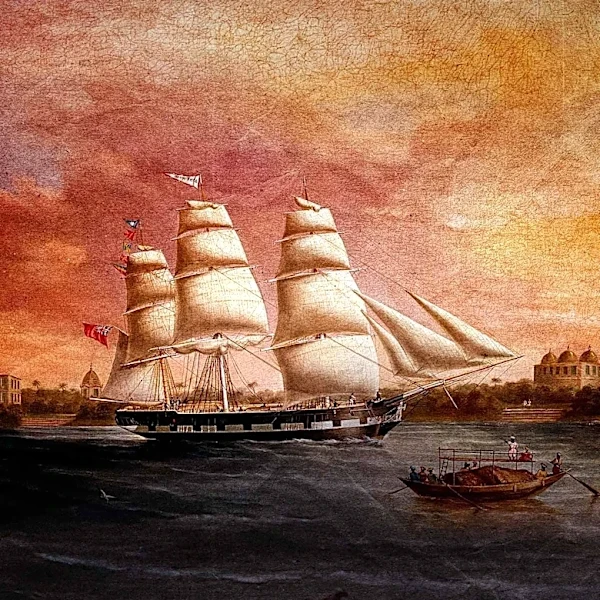
Commodore Perry's arrival in Japan on July 8, 1853, was marked by a calculated display of military might. His fleet consisted of four warships equipped with advanced Paixhans shell guns, capable of causing significant destruction. Perry ordered his ships to steam past Japanese lines towards Edo, the nation's capital, and positioned their guns towards the town of Uraga. This aggressive maneuver was intended to demonstrate the power of the United States Navy and intimidate the Japanese into compliance.
Perry's refusal to proceed to Nagasaki, the designated port for foreign contact, further emphasized his determination to achieve his objectives. He threatened to attack Edo and burn it to the ground if he was not allowed to land, forcing the Japanese to agree to negotiations. This use of gunboat diplomacy was effective in breaking Japan's isolationist policy and opening the country to American trade.
The Negotiation Process
Following Perry's initial visit, the Japanese government faced a crisis. The shogun, Tokugawa Ieyoshi, was incapacitated by illness, leaving the Council of Elders to handle the situation. Abe Masahiro, the senior rōjū, recognized the impossibility of resisting American demands by military force and sought to legitimize any decision by polling the daimyōs for their opinions. This public debate revealed the shogunate's indecisiveness and vulnerability.
Perry returned in February 1854 with an even larger fleet, making it clear that he would not leave until a treaty was signed. Negotiations began on March 8 and lasted for about a month. The Japanese eventually agreed to most of Perry's demands, leading to the signing of the Convention of Kanagawa on March 31, 1854. This treaty opened the ports of Shimoda and Hakodate to American vessels and established the position of an American consul in Japan.
The Impact of Gunboat Diplomacy
The success of the Perry Expedition demonstrated the effectiveness of gunboat diplomacy in achieving diplomatic goals. By leveraging military power, Perry was able to break Japan's isolationist policy and open the country to American trade. This strategy not only secured economic benefits for the United States but also paved the way for Japan's modernization and integration into the global community.
The Perry Expedition remains a significant example of gunboat diplomacy, highlighting the role of military force in shaping international relations. It serves as a reminder of the power dynamics at play in diplomatic negotiations and the impact of military intimidation on achieving political objectives.