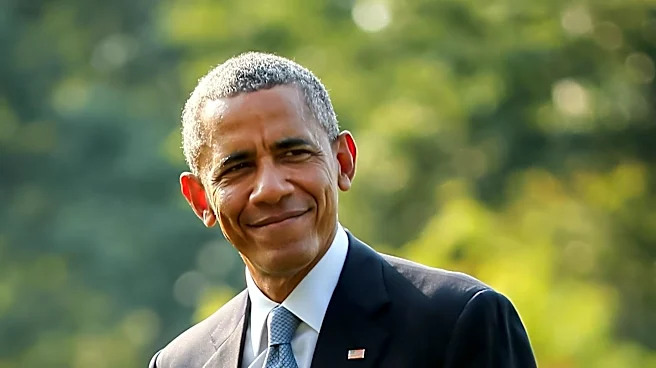




Barack Obama's 2008 presidential campaign was not just a political success; it was a groundbreaking endeavor that redefined modern political campaigning. While the provided text highlights the campaign's focus on small donations and internet outreach, it also implicitly points to a broader spirit of innovation that permeated its strategy and execution. This campaign managed to mobilize a diverse electorate and achieve a historic victory, partly due
to its willingness to embrace new methods and maintain a disciplined approach to its message and operations.
Strategic Focus and Grassroots Mobilization
A key innovative aspect of the 2008 campaign was its strategic focus on the Iowa caucus and the maximization of pledged delegates, rather than solely concentrating on states with primaries or the overall popular vote. This nuanced approach, credited to campaign manager David Plouffe, allowed the campaign to build momentum early and sustain it throughout the primary season. The Chicago Tribune noted that Plouffe's strategy looked well past Super Tuesday, valuing both large and small states, which was a departure from traditional campaign wisdom.
Furthermore, the campaign's emphasis on small donations and internet outreach signaled a shift towards a more democratized fundraising model and direct engagement with supporters. This approach not only provided a robust financial base but also fostered a sense of ownership and participation among a wide range of individuals. The ability to connect with voters through new digital channels and empower them to contribute, both financially and through volunteer efforts, was a hallmark of its innovative spirit.
Discipline in Communication and Public Image
Another innovative element was the campaign's rigorous discipline over communications. David Plouffe was instrumental in controlling leaks and ensuring that information was released on the campaign's terms. This tight management of the narrative helped to prevent internal disagreements from spilling into the public sphere, which often destabilizes political campaigns. By presenting a unified front, the Obama campaign was able to maintain focus on its core messages and avoid distractions.
The campaign's public image was also carefully cultivated. For instance, when candidates released Christmas videos during the holidays, Obama's choice emphasized a message of thanks and unity, featuring his wife and daughters. This demonstrated a thoughtful approach to public relations, aiming to connect with voters on a personal and aspirational level. The campaign's ability to manage its message and image effectively, even in the face of scrutiny, contributed to its overall success and innovative character.
The Power of a Unified Message
The campaign's use of rallying cries like "Yes We Can" and "Fired up! Ready to go!" also showcased an innovative approach to building collective enthusiasm and a shared sense of purpose. These slogans became synonymous with the campaign, encapsulating its message of hope and change. The "Yes We Can" speech, in particular, was so impactful that its pieces were used to create an eponymous music video by celebrity supporters, demonstrating the campaign's ability to leverage cultural influence and digital platforms for broader reach.
Ultimately, the innovative spirit of Obama's 2008 campaign lay in its blend of strategic foresight, grassroots empowerment through technology, disciplined communication, and a compelling narrative. These elements combined to create a campaign that was not only successful in winning the presidency but also in setting new standards for how political campaigns could be organized and executed in the digital age.