




Washington, often referred to as the "Evergreen State" due to its abundant pine trees, holds a distinct place in the United States, not only for its natural beauty but also for its unique geographical divisions and the historical nuances of its name. As the northwesternmost state of the contiguous United States, its identity is shaped by its borders, its internal landscapes, and the ongoing need to distinguish itself from the nation's capital. This
exploration delves into the physical characteristics that define Washington and the historical context behind its naming.
Geographical Divisions and Natural Features
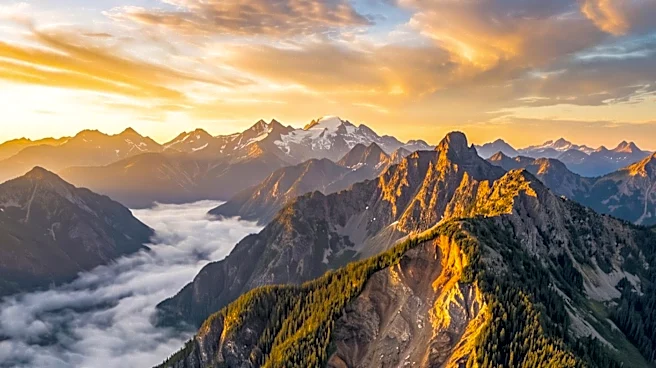
Washington's geography is dramatically bisected by the high mountains of the Cascade Range, which run north-south through the state. This natural division creates two distinct regions: Western Washington and Eastern Washington. Residents often refer to these areas as the "Westside" and the "Eastside," or the "Wet side" and the "Dry side." Another common pairing, "Timberland" and "Wheatland," is frequently used in the names of region-specific businesses and institutions, reflecting the dominant industries and climates of each side.
To the west, Washington borders the Pacific Ocean, contributing to its maritime climate and industries. Its northern border largely follows the 49th parallel, extending through marine boundaries in the Strait of Georgia, Haro Strait, and Strait of Juan de Fuca, shared with the Canadian province of British Columbia. To the east, it borders Idaho, with the boundary mostly defined by a meridian running north from the confluence of the Snake River and Clearwater River, except for a southern section that follows the Snake River. Oregon lies to the south, with the Columbia River forming the western part of their shared border and the 46th parallel defining the eastern part.
The Naming of Washington and Identity
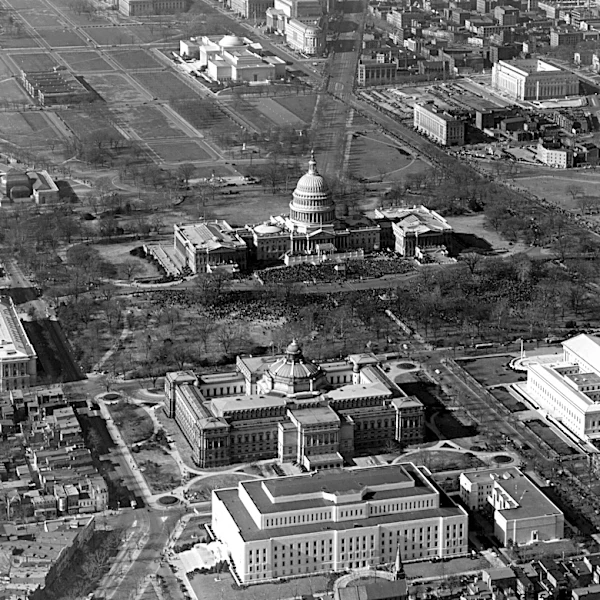
The state of Washington is named after George Washington, the first President of the United States, making it the only U.S. state named after a president. However, this naming has historically led to confusion with Washington, D.C., the nation's capital. During the statehood process in 1889, proposals were made to rename the state to avoid this confusion, with one suggestion being "Tacoma." These proposals ultimately failed to gain sufficient support.
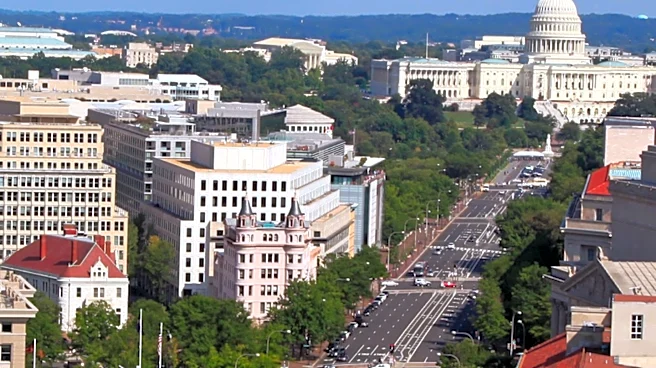
Even in the 21st century, the distinction remains relevant. Washington, D.C.'s own statehood movement has included a proposal to use the name "State of Washington, Douglass Commonwealth," which would create a direct conflict with the existing state. To differentiate, residents of Washington State, known as "Washingtonians," and those in the Pacific Northwest typically refer to their state simply as "Washington," while the nation's capital is called "Washington, D.C.," "the other Washington," or simply "D.C." This practice underscores the state's effort to maintain its unique identity despite the shared name.