





Japan is an archipelagic nation located in East Asia, known for its stunning landscapes and diverse geography. Comprising over 14,000 islands, Japan's unique topography has played a crucial role in shaping its culture, economy, and history. This article explores the geographic features of Japan and their impact on the country's development.
The Archipelago and Its Main Islands
Japan's archipelago stretches over 3,000 kilometers along the Pacific coast of East Asia. The country consists
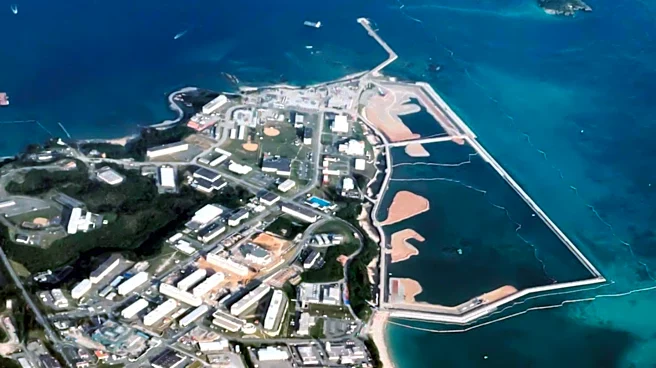
of five main islands: Hokkaido, Honshu, Kyushu, Shikoku, and Okinawa, along with thousands of smaller islands classified as "remote islands" by the Japanese government. The Ryukyu Islands and Nanpō Islands are located to the south and east of the main islands, adding to Japan's geographic diversity.
The country's location in a volcanic zone along the Pacific Ring of Fire has resulted in a landscape dominated by mountains and volcanoes. Approximately 73% of Japan is mountainous, with a mountain range running through each of the main islands. Mount Fuji, Japan's highest peak, stands at 3,776 meters and is a symbol of the nation's natural beauty.
Climate and Natural Resources
Japan's climate varies significantly from north to south, ranging from humid continental in the north to humid subtropical and tropical rainforests in the south. This climatic diversity has allowed for the development of a wide range of flora and fauna, including rare endemic species found in the Ogasawara Islands.
The country's extensive coastline and numerous islands provide rich marine resources, making fishing a vital part of Japan's economy. The Exclusive Economic Zone of Japan covers over 4 million square kilometers, offering abundant marine life and mineral resources. However, Japan's geography also presents challenges, such as frequent earthquakes, tsunamis, and typhoons, which have shaped the nation's disaster preparedness and resilience.
Impact on Culture and Society
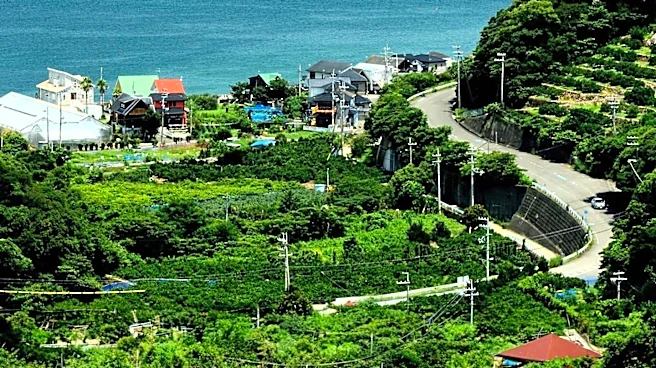
Japan's geography has significantly influenced its culture and society. The mountainous terrain and limited arable land have led to the development of terraced farming and innovative agricultural practices. The natural beauty of Japan's landscapes has inspired countless works of art, literature, and poetry, reflecting the deep connection between the Japanese people and their environment.
The isolation provided by the surrounding seas has also played a role in shaping Japan's cultural identity. Historically, this isolation allowed Japan to develop a unique culture, relatively free from external influences until the Meiji era. Today, Japan's geographic features continue to attract tourists from around the world, drawn by the country's stunning natural beauty and rich cultural heritage.
In summary, Japan's geography is a defining feature of the nation, influencing its culture, economy, and history. The country's diverse landscapes and natural resources have shaped the lives of its people and continue to play a vital role in Japan's development.