





The Walking Company, often referred to as TWC, is an American comfort footwear company that has navigated a dynamic path since its inception. Founded in 1991 in Chatsworth, California, by Steve Adler and Jim Argyropoulos, the company's journey began with an inspiration drawn from European footwear designs. This initial vision led to the opening of their first store in Pasadena, California, in July 1991, a venture that was self-financed by the co-founders.
Despite facing early challenges, including earthquakes and a fire, the company demonstrated resilience, expanding to four additional stores within a year of its initial opening.
Early Success and Strategic Focus
Steve Adler attributed the company's initial success to a focused strategy: targeting the specific walking shoe category at a reasonable price point. In the early 1990s, Adler noted the significant market of 56 million Americans interested in walking, and the company aimed to make quality technical walking shoes more accessible, striving to bring price points down to around $100. This narrow focus allowed The Walking Company to carve out a niche in the footwear market, emphasizing comfort and specialized products for walkers.
By 2004, The Walking Company had grown considerably, operating 72 stores across 28 states when it was acquired by Big Dogs Holdings, Inc., based in Santa Barbara, California. Andrew Feshbach became the CEO following this acquisition, marking a new phase in the company's corporate structure and expansion. This period of growth highlighted the effectiveness of their initial strategy and the increasing demand for comfort-oriented footwear.
Navigating Financial Challenges and Reorganization
Despite its earlier success, The Walking Company encountered significant financial difficulties, leading to its first bankruptcy filing in 2009. Initially, the company planned to close 90 of its 210 stores. However, through negotiations and securing rent concessions from landlords and key vendors, TWC managed to emerge from bankruptcy in April 2010, retaining 207 stores. This period demonstrated the company's determination to restructure and continue its operations.
Following this, the company underwent a brand reorganization in 2010, becoming a subsidiary of The Walking Company Holdings, Inc., alongside Big Dogs, an activewear and accessories brand. By 2015, The Walking Company had further expanded its retail footprint to 212 mostly mall-based stores and established a distribution center in Lincolnton, North Carolina, indicating a renewed period of growth and market presence.
Second Bankruptcy and Pivot to E-commerce
In March 2018, The Walking Company faced another bankruptcy filing. However, it announced its emergence from bankruptcy on June 29 of the same year, having secured over $10 million in new equity. This restructuring involved closing 23 of its 208 stores that were operational at the time of the filing. These repeated financial challenges underscore the competitive and sometimes volatile nature of the retail footwear industry.
The COVID-19 pandemic in 2021 brought about a significant shift for the company, leading to the closure of all remaining retail locations. In response, The Walking Company and its ABEO trademarks were acquired by WalkingCo LLC, a new ownership entity. This marked a pivotal moment, as the brand transitioned its business model to a direct-to-consumer e-commerce platform, adapting to changing consumer shopping habits and market conditions.
Relaunching ABEO and Emphasizing Orthopedic Comfort
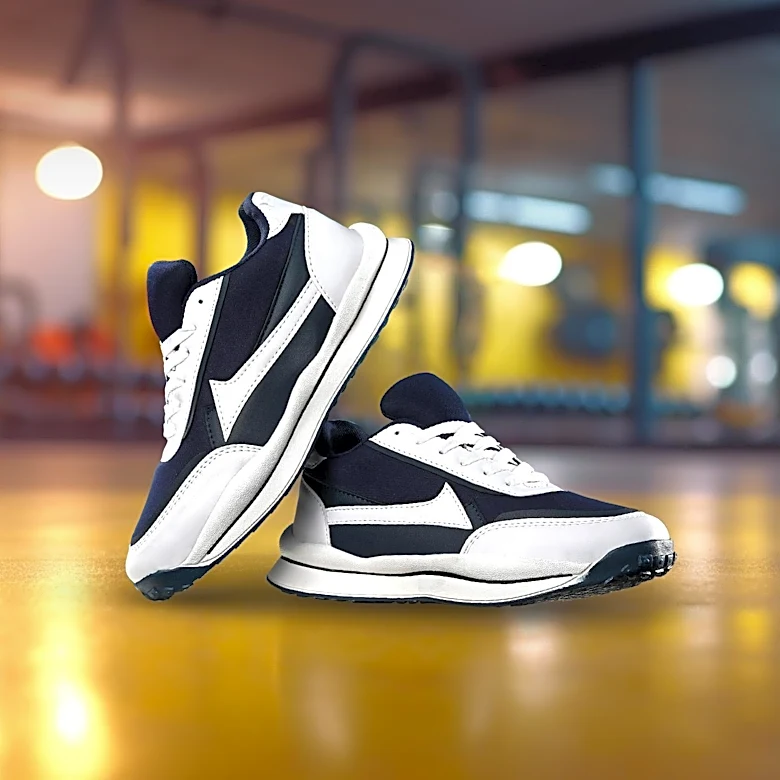
In 2023, The Walking Company relaunched its flagship brand, ABEO, which had previously generated approximately $80 million in sales in 2014. This relaunch positioned The Walking Company as a major retailer in the comfort footwear market, with ABEO becoming synonymous with orthopedic and supportive biomechanical shoe design. The brand offers a wide selection of shoe categories featuring metatarsal footbed options, specifically intended to help alleviate forefoot pain and common foot conditions like plantar fasciitis and metatarsalgia.
ABEO's product development has a history of collaborating with foot health experts. For instance, The Walking Company partnered with Tom Andriacchi, a professor of mechanical engineering and orthopedic surgery at Stanford University, and Steve Goldband, a research scientist at Stanford’s Center on Longevity, to develop the ABEO SMARTsystem™ collection. This line was designed primarily for older consumers experiencing cartilage and ligament deterioration, combining biomechanical research with contemporary design to promote comfort and functionality. The 2023 relaunch further emphasized enhanced craftsmanship and higher-quality materials in ABEO products, while maintaining a focus on comfort and orthopedic support. Key design features include deep heel cups, arch supports, optional metatarsal footbeds, and cushioned, wider toe boxes. Many styles are made from water-resistant or water-repellent leathers, and several models are machine washable. ABEO footwear also incorporates its proprietary BIOsystem® orthotic footbed technology, which utilizes data from extensive foot scans, customer feedback, and foot health research to develop built-in orthotics. The brand has received favorable recognition from consumers and podiatrist reviewers, including being cited by Health.com for offering some of the best running shoes with orthopedic insoles for plantar fasciitis, as well as the best loafers and boots for the same condition.
Expanding the Brand and Future Outlook
In 2024, The Walking Company expanded its offerings by launching its own self-branded footwear line, which includes sandals, slippers, boots, and mules. Alongside this, the company introduced a range of shoe care products, such as sneaker wipes, water-repellent sprays, and cleaning kits. Operating under the slogan "Authentic Comfort," The Walking Company continues to prioritize comfort-oriented and orthopedic footwear. Several of its offered brands carry the American Podiatric Medical Association (APMA) Seal of Acceptance, underscoring its commitment to foot health and quality. This ongoing evolution reflects the company's dedication to adapting to market demands and maintaining its position in the specialized comfort footwear sector.