







Lakes are not just bodies of water; they are vibrant ecosystems teeming with life. At the heart of these ecosystems lies the lake bed, a crucial component that plays a significant role in supporting aquatic life. This article explores the composition of lake beds and their impact on the flora and fauna within lake environments.
Composition of Lake Beds
The lake bed, or the bottom of a lake, is composed of a variety of materials, both organic and inorganic. Inorganic materials such
as silt and sand are common, providing a stable substrate for aquatic plants and animals. Organic materials, including decaying plant and animal matter, contribute to the nutrient content of the lake bed.
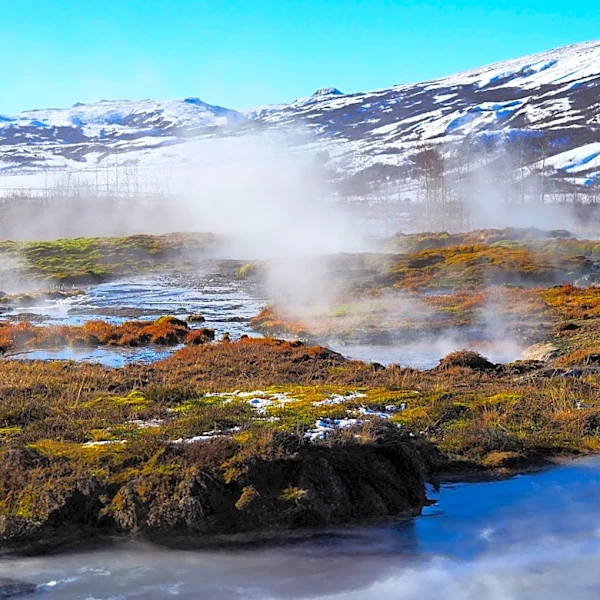
The composition of the lake bed can vary significantly from one lake to another, depending on factors such as the surrounding geology, climate, and biological activity. For instance, lakes in volcanic regions may have beds rich in volcanic ash and minerals, while those in glacial areas might have beds composed of finely ground rock particles. The diversity in lake bed composition influences the types of organisms that can thrive in a particular lake environment.
Nutrient Availability and Aquatic Life
The materials that make up the lake bed play a crucial role in determining the availability of nutrients within the lake. Nutrients such as nitrogen and phosphorus are essential for the growth of aquatic plants and algae, which form the base of the food web in lake ecosystems. The decomposition of organic matter on the lake bed releases these nutrients, making them available to primary producers.
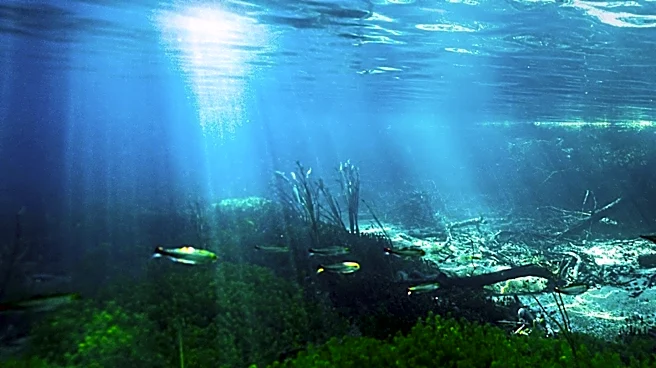
A nutrient-rich lake bed can support a diverse array of plant and animal life. Aquatic plants provide habitat and food for various organisms, including fish, invertebrates, and birds. The abundance and diversity of life in a lake are often directly linked to the nutrient content of the lake bed. However, an excess of nutrients can lead to problems such as algal blooms, which can deplete oxygen levels and harm aquatic life.
Tracking Environmental Changes
Lake beds also serve as valuable records of past environmental conditions. Layers of sediment accumulate over time, with each layer representing a different period in the lake's history. Scientists can study these layers to gain insights into past climate conditions, geological events, and ecological changes.
For example, varved lake sediments, which consist of alternating layers of organic and inorganic material, can provide a detailed record of seasonal changes. During winter, when organisms die, carbon-rich layers form, while summer layers are typically lighter due to fewer organic deposits. By analyzing these layers, researchers can reconstruct past environmental conditions and better understand how lakes and their ecosystems have responded to changes over time.
In summary, lake beds are integral to the health and functioning of lake ecosystems. They provide essential nutrients, support diverse life forms, and offer a window into the Earth's environmental history. Understanding the role of lake beds helps us appreciate the complexity and interconnectedness of aquatic ecosystems.