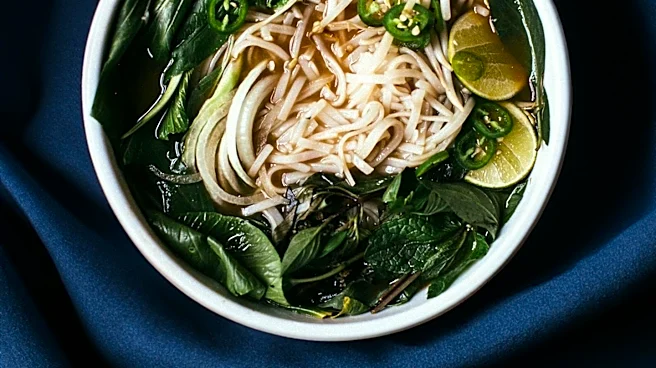








Pho, a beloved Vietnamese noodle soup, has a rich history that dates back to the early 20th century in Northern Vietnam. This dish, known for its savory broth, rice noodles, herbs, and meat, usually beef or chicken, has become a staple in Vietnamese cuisine and a favorite worldwide. The origins of pho are somewhat debated, with influences from both French and Chinese culinary traditions playing a role in its development. This article delves into the historical
journey of pho, examining its evolution and the cultural factors that contributed to its popularity.
Early Beginnings in Northern Vietnam
Pho originated in Northern Vietnam between 1900 and 1907, specifically in the city of Nam Định. The dish either evolved independently or shares a similar origin with beef noodle soups found in neighboring countries like Thailand and China. The rice noodles and spices used in pho's broth have connections to Chinese culinary traditions, while the demand for beef arose under French colonial rule. The French introduced pot-au-feu, a slow-cooked beef stew, which influenced the use of beef bones for broth in pho.
During the French colonial period, beef consumption became more common among the Vietnamese, who traditionally used water buffaloes for farming. This shift in dietary habits contributed to the development of pho, with some attributing its origins to a combination of French and Chinese influences. Despite the lack of concrete historical documentation, pho's emergence in Northern Vietnam marked the beginning of its journey as a culinary icon.
The Spread and Popularization of Pho
Pho was initially sold as a snack by street vendors who carried mobile kitchens on poles, known as gánh phở. These vendors would serve pho at dawn and dusk, with the dish gaining popularity among workers from Yunnan and Guangdong provinces in China. The similarities between pho and dishes from their homeland helped familiarize the Vietnamese soup with the general population.
The first fixed pho stands appeared in Hanoi, with Vietnamese-owned Cát Tường and a Chinese-owned stand leading the way. By 1918, more pho stands emerged, and around 1925, a villager from Vân Cù opened the first "Nam Định style" pho stand in Hanoi. As stationary eateries became more common, the number of peddler pho gánh declined, further solidifying pho's presence in Vietnamese cuisine.
Pho's Global Journey
After the Vietnam War, refugees introduced pho to the world, spreading its popularity beyond Vietnam's borders. The dish's unique blend of flavors and ingredients captivated international audiences, leading to its widespread adoption in various countries. Today, pho is enjoyed in households, street stalls, and restaurants worldwide, showcasing its versatility and enduring appeal.
The historical development of pho highlights the intersection of cultural influences and culinary innovation. From its humble beginnings in Northern Vietnam to its global recognition, pho continues to be a symbol of Vietnamese heritage and a testament to the power of food in bridging cultural divides.