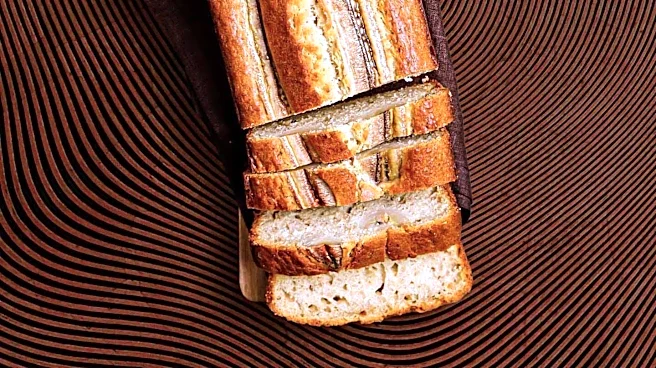









Sliced bread is a staple in households across the United States, but it wasn't always so readily available. The journey to the convenience of pre-sliced bread began with the innovative work of Otto Frederick Rohwedder. His invention of the bread-slicing machine in the late 1920s marked a significant milestone in the baking industry, transforming how bread was consumed and appreciated.
The Early Challenges of Bread Slicing
Otto Frederick Rohwedder, an inventor from Davenport, Iowa, embarked
on the journey to create a bread-slicing machine as early as 1912. However, his initial efforts faced significant setbacks. A fire in 1917 destroyed his prototype and blueprints, delaying his progress for several years. Despite these challenges, Rohwedder remained committed to his vision of a machine that could slice bread uniformly and efficiently.
By 1927, Rohwedder had successfully designed a machine that not only sliced bread but also wrapped it. This dual functionality was crucial in maintaining the freshness of the bread, addressing a common concern among consumers. Rohwedder's persistence paid off when he sold his first machine to Frank Bench, a baker in Chillicothe, Missouri, in 1928.
The Commercial Success of Sliced Bread
The first commercial sale of sliced bread took place on July 7, 1928, at the Chillicothe Baking Company. The product, marketed as "Kleen Maid Sliced Bread," quickly gained popularity among consumers. The convenience of pre-sliced bread was a novelty that resonated with the public, leading to increased sales and widespread adoption.
The success of Rohwedder's invention was not limited to Chillicothe. Other bakeries soon adopted the bread-slicing machine, making sliced bread available across the country. By 1933, sliced bread had become a staple in American households, with 80% of bread sold in the U.S. being pre-sliced. This widespread acceptance of sliced bread also contributed to the popular idiom "the greatest thing since sliced bread," highlighting its impact on everyday life.
The Legacy of Rohwedder's Invention
Rohwedder's invention had far-reaching effects beyond the convenience it offered. The uniform slices made it easier for people to consume more bread, which in turn increased the demand for spreads like jam and butter. This change in consumption patterns had a ripple effect on related industries, boosting their growth as well.
In 1930, the Continental Baking Company introduced Wonder Bread as a sliced product, further cementing the popularity of pre-sliced bread. The availability of standardized slices also boosted sales of automatic toasters, which had been invented in 1926. By 1933, American bakeries were producing more sliced than unsliced loaves, a testament to the lasting impact of Rohwedder's innovation.
Otto Frederick Rohwedder's bread-slicing machine revolutionized the baking industry and changed the way people consumed bread. His invention not only provided convenience but also paved the way for new culinary trends and innovations, leaving a lasting legacy in the world of baking.