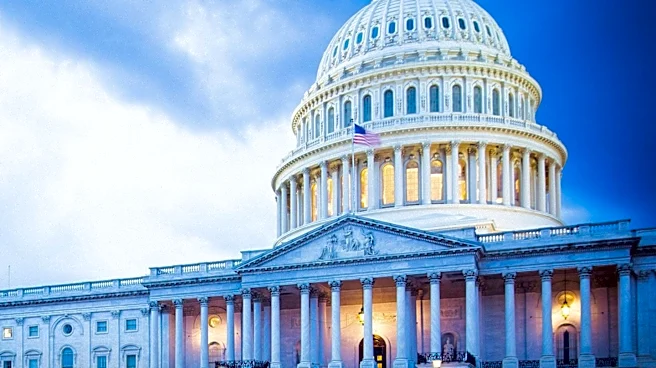









The National Statuary Hall Collection, housed in the United States Capitol, is a unique assembly of statues donated by individual states to honor notable figures in their history. Established in 1864, this collection has evolved significantly over the years, reflecting changes in both its physical arrangement and the figures it commemorates. This article delves into the origins and development of the collection, highlighting key milestones and transformations.
The Birth of a National Collection
The idea for a National Statuary Hall emerged in the mid-19th century, coinciding with the completion of the new House wing in 1857. The old chamber of the House of Representatives, which had become a thoroughfare, was suggested as a space for historical paintings. However, its layout was more suited for busts and statues. In 1864, Representative Justin S. Morrill proposed that the chamber be dedicated to statues from each state, a proposal that became law on July 2, 1864. This law invited states to contribute statues of deceased citizens renowned for their historical significance or distinguished service.
Initially, all statues were placed in the old House chamber, renamed National Statuary Hall. The first statue was installed in 1870, and by 1971, every state had contributed at least one statue. The collection was limited to two statues per state, and by 1990, nearly all states had provided their full complement.
Addressing Overcrowding and Structural Concerns
As the collection grew, the Hall became overcrowded, with statues placed three deep in some areas. By 1933, the weight of the statues posed a structural risk to the chamber. Congress responded by authorizing the relocation of statues throughout the Capitol. This decision allowed for a more aesthetically pleasing and structurally sound arrangement. Statues were distributed to various locations, including the Hall of Columns and the Capitol's corridors.
Further rearrangements occurred in 1976, with statues organized by height and material to improve the Hall's appearance. Despite these changes, the Hall remains a central feature of the collection, with 38 statues currently displayed there.
Modern Changes and Replacements
In 2000, Congress passed legislation allowing states to replace their statues, leading to a wave of updates. By 2022, fourteen states had replaced at least one statue, with Kansas, Arkansas, and Nebraska replacing both. This flexibility reflects changing perspectives on historical figures and allows states to honor individuals who better represent their values today.
The collection also expanded to include statues from the District of Columbia, with Frederick Douglass and Pierre L'Enfant added in recent years. These additions highlight ongoing efforts to ensure the collection reflects the diverse history of the United States.
The National Statuary Hall Collection continues to evolve, balancing tradition with contemporary values. Its history is a testament to the dynamic nature of how we commemorate and honor influential figures in American history.