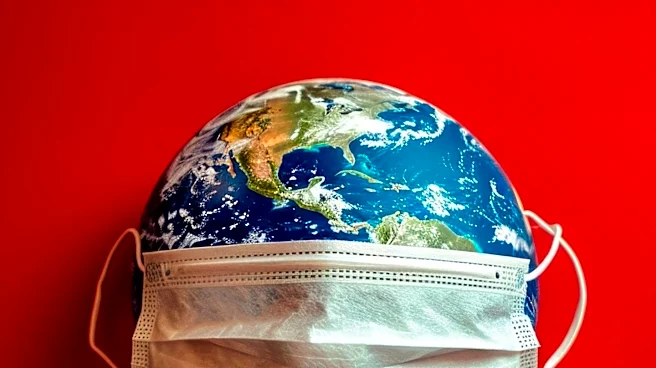

The 1918–1920 flu pandemic, commonly known as the Spanish flu, stands as one of the deadliest pandemics in human history, infecting an estimated 500 million people—about one-third of the world's population
at the time. While its nickname suggests an origin in Spain, historical and epidemiological data cannot definitively identify its geographic starting point, leading to various theories. The pandemic's impact was profound, causing millions of deaths worldwide and leaving a lasting mark on societies, healthcare systems, and even the course of history. Understanding this devastating event requires examining its unique characteristics, its global spread, and the challenges researchers faced then and now in comprehending its full scope.
The Misleading Name and Mysterious Origins
The moniker "Spanish flu" is a misnomer, largely a result of wartime censorship during World War I. Belligerent countries like Germany, the United Kingdom, France, and the United States minimized early reports of illness and mortality to maintain morale. In contrast, neutral Restoration-era Spain had a free press that openly reported on the epidemic's effects, including the grave illness of King Alfonso XIII. This created a false impression that Spain was particularly hard hit, thus giving the pandemic its enduring, yet inaccurate, nickname. In fact, the disease was known by many different names depending on location, time, and context, reflecting the practice of making new infectious diseases seem foreign. For instance, in Poland it was called the