











Sun protective clothing is an essential tool in the fight against harmful ultraviolet (UV) radiation. A key component of this protective gear is the Ultraviolet Protection Factor (UPF) rating, which indicates how effectively a fabric blocks UV rays. Understanding UPF and its role in sun protective clothing can help consumers make informed decisions about their sun safety.
What is UPF and How is it Measured?
UPF stands for Ultraviolet Protection Factor, a rating system that measures the
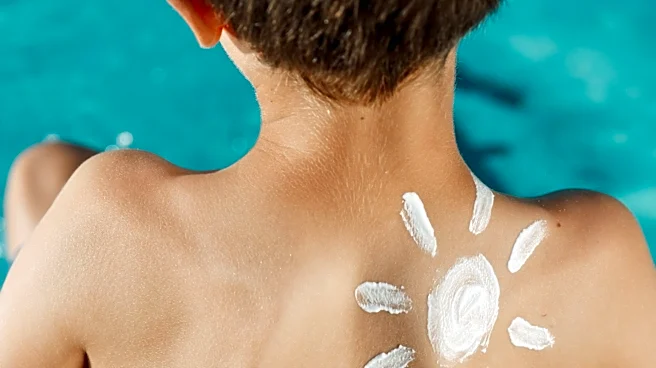
UV protection provided by fabrics. Unlike SPF (Sun Protection Factor), which is used for sunscreens and is based on human sunburn testing, UPF is determined through laboratory testing. This involves using instruments like spectrophotometers to measure the amount of UV radiation that penetrates a fabric.
The UPF rating indicates the fraction of UV radiation that can pass through the fabric. For example, a UPF 30 fabric allows only 1 out of 30 units of UV to reach the skin, effectively blocking 96.7% of UV radiation. The higher the UPF rating, the greater the level of protection. Fabrics with a UPF rating of 40 to 50+ are considered to offer excellent protection, blocking 97.5% or more of UV radiation.
The Importance of UPF in Sun Protective Clothing
The introduction of the UPF rating system marked a significant advancement in sun protective clothing. It provided a standardized way to assess and communicate the protective qualities of fabrics, making it easier for consumers to choose clothing that offers adequate sun protection. This is particularly important in regions with high UV exposure, where the risk of skin damage and skin cancer is elevated.
UPF ratings are now widely used in the design and marketing of sun protective clothing. They help consumers identify garments that provide reliable protection against UV rays, reducing the risk of sunburn and long-term skin damage. The UPF rating system also encourages manufacturers to innovate and improve the UV-blocking capabilities of their fabrics.
Factors Affecting UPF Ratings
Several factors influence the UPF rating of a fabric, including its weave, color, weight, and stretch. Tightly woven fabrics generally offer better protection than loosely woven ones. Darker colors and heavier fabrics also tend to have higher UPF ratings because they absorb more UV radiation.
Additionally, some fabrics are treated with UV-absorbing chemicals during manufacturing to enhance their protective qualities. However, it's important to note that getting a fabric wet can reduce its UPF rating, except for certain materials like silk and viscose, which may become more protective when wet.
Understanding UPF and its role in sun protective clothing is crucial for anyone looking to protect their skin from harmful UV radiation. By choosing garments with high UPF ratings, individuals can enjoy outdoor activities with greater peace of mind, knowing they are taking effective steps to safeguard their skin.