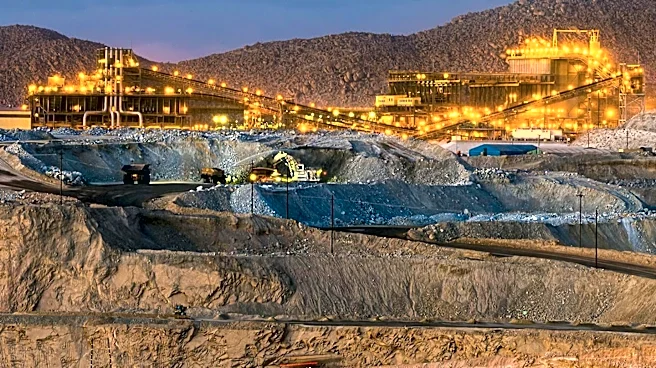







Phuket's rich history is deeply intertwined with the tin mining industry, which served as a pivotal economic driver for centuries. From the 16th century until its decline in the 20th century, tin mining attracted diverse populations and shaped the island's infrastructure and cultural identity. This historical foundation laid the groundwork for the Phuket we see today, influencing everything from its demographics to its unique architectural styles.
A Magnet for Migration and Cultural Exchange
Phuket's status as a tin-mining hub made it a significant destination for various groups seeking economic opportunities. The island was populated by Siamese, Chinese, Malays, Indians, Eurasians, and sea gypsies. Notably, Chinese immigrants, particularly Hokkien tin-miners, played a crucial role in the development of the old part of Phuket City in the 18th century. These early unions between Hokkien miners and Siamese women led to the formation of a unique community known as the "Baba" people, whose distinct way of life, language, dress, and food are still visible in Phuket's Old Town today. This historical migration pattern contributed to the island's multicultural fabric, which remains a defining characteristic.
European involvement in Phuket's tin trade also began in the 16th century, further diversifying the island's connections to the wider world. In the early 20th century, under Governor Phraya Ratsadanupradit Mahitsaraphakdi, major European mining companies were invited to the island. This period saw significant investment in public infrastructure, including the construction of roads and canals, which were essential for supporting the burgeoning mining operations and the growing population.
Economic Transformation and Architectural Legacy
Tin mining was the cornerstone of Phuket's economy for centuries. While the industry eventually declined in the 20th century, its legacy is still evident. The wealth generated from tin mining allowed for the development of the island and attracted the diverse communities that shaped its culture. The Sino-Portuguese architectural style, prominent in Phuket Old Town, is a direct result of this era. Many buildings from this period, including shophouses and grand mansions, have been preserved and restored, serving as tangible reminders of the island's prosperous mining past. These structures not only add to the city's aesthetic appeal but also tell the story of its economic evolution.
Today, while tin mining is no longer the primary economic driver, its historical impact continues to resonate. The diverse population, the unique cultural blend, and the preserved architectural heritage all stem from this foundational industry. The island's current economy is primarily supported by rubber tree plantations and tourism, but the historical narrative of tin mining remains a crucial chapter in Phuket's identity, influencing its development into the vibrant and multicultural destination it is today.