






Thai curry pastes are central to the country's culinary identity, offering a vibrant spectrum of flavors and colors that define many of its most beloved dishes. These pastes are complex mixtures of fresh and dried ingredients, meticulously ground to create a potent base for curries. Unlike some other regional curry preparations, Thai cuisine often favors the use of these moist pastes over dry curry powders, allowing for a distinct depth and freshness
in its dishes. The variety of Thai curry pastes reflects the diverse regional culinary traditions within Thailand, each with its own unique blend of ingredients and resulting flavor profile.
The Distinctive Ingredients of Thai Red Curry Paste
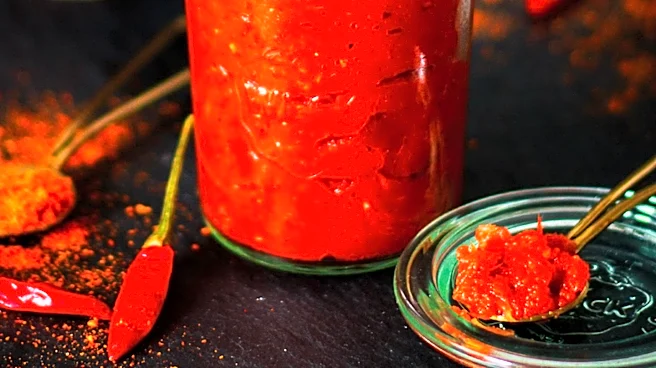
Thai red curry paste, known as *phrik kaeng phet*, is a prime example of the intricate composition found in these culinary bases. Its signature red hue comes from dried red spur chilies, specifically dried *phrik chi fa* red chilies. Beyond the chilies, the paste incorporates a rich array of ingredients including garlic, shallots, and galangal, which provide aromatic depth. Shrimp paste and salt are essential for umami and seasoning, while makrut lime leaves contribute a bright, citrusy note.Further complexity is added through coriander root, coriander seeds, cumin seeds, peppercorns, and lemongrass. These ingredients are traditionally pounded together using a mortar and pestle, a process that ensures the paste remains moist and its flavors are fully integrated. This meticulous preparation results in a paste that is both pungent and aromatic, forming the core flavor for dishes like red curry, as well as other preparations such as fish cakes (*thot man pla*) and grilled Chiang Mai sausage (*sai ua*).
Green Curry Paste: A Balance of Heat and Freshness
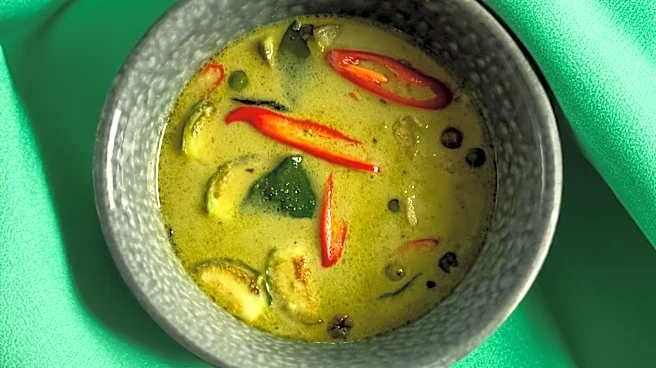
Green curry paste, or *khiao wan*, derives its name and color from fresh green chilies, which are a primary ingredient. The "sweet" aspect in its Thai name refers to the specific shade of green rather than the taste, though the curry itself can vary in sweetness. While often perceived as milder than red curries, green curry can be quite pungent, with its spiciness depending on the amount and type of chili used. Its ingredients typically include green bird's eye chilies, shallots, garlic, galangal, lemongrass, kaffir lime peel, cilantro roots, cumin seeds, white peppercorns, shrimp paste, and salt.The preparation of green curry paste also traditionally involves pounding these ingredients in a mortar. This method ensures a fine, aromatic paste that forms the foundation for green curry dishes, often served with rice or round rice noodles. The consistency of the final green curry sauce can vary based on the amount of coconut milk incorporated, ranging from a broth-like texture to a thicker stew.
Culinary Application and Availability of Thai Curry Pastes
Thai curry pastes are versatile and can be made at home from scratch, purchased freshly prepared at markets in Thailand, or bought in packaged forms from shops and supermarkets. Regardless of their origin, the application often begins with stir-frying the paste in cooking oil, such as vegetable oil or coconut oil. This crucial step allows the flavors within the spices and other ingredients to develop fully, releasing their aromas before other components like coconut milk, meat, or vegetables are added.This initial frying process is vital for achieving the desired fragrance and depth of flavor in Thai curries. The heat helps to unlock the full potential of the paste's ingredients, creating a rich and aromatic base for the dish. The availability of these pastes, from homemade to commercially packaged, makes it possible for both traditional cooks and home enthusiasts worldwide to create authentic Thai curry experiences.