



The United Arab Emirates (UAE) is a unique federation located in Southwest Asia, consisting of seven distinct emirates. Each emirate maintains its own sovereignty while functioning under a federal government. This structure has allowed the UAE to develop a robust economy and a high standard of living. Understanding the composition and role of these emirates provides insight into the UAE's success and its position on the global stage.
The Composition of the UAE
The UAE is made
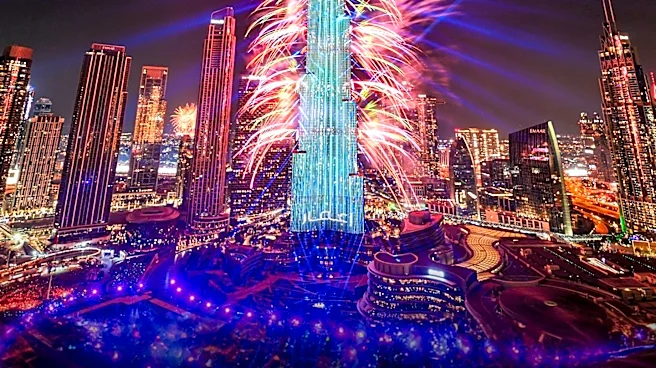
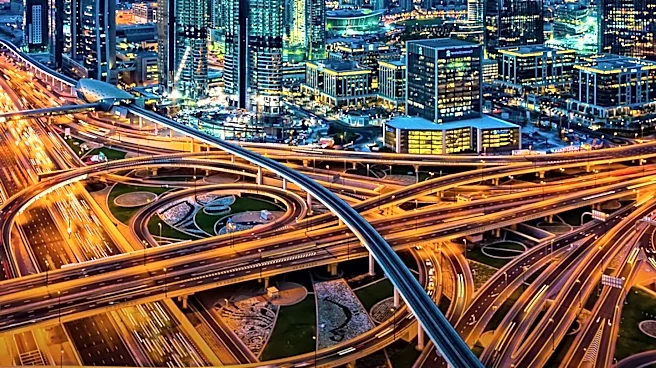
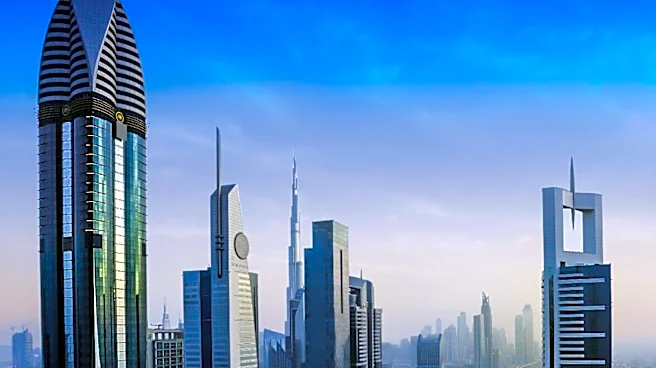
up of seven emirates: Abu Dhabi, Dubai, Sharjah, Ajman, Umm al-Quwain, Ras al-Khaimah, and Fujairah. Each emirate has its own government and maintains a degree of autonomy. Abu Dhabi, the capital, is the largest emirate and serves as the political, industrial, and cultural center of the country. Dubai, known for its modern architecture and vibrant economy, is the second largest city and a major global business hub.
Historically, these emirates were known as the Trucial States, a term that originated from a truce with Britain in the 19th century. This agreement helped stabilize the region, which was previously referred to as the Pirate Coast due to its history of piracy. The transition from the Trucial States to the UAE in 1971 marked a significant shift in governance and development.
Economic and Political Significance
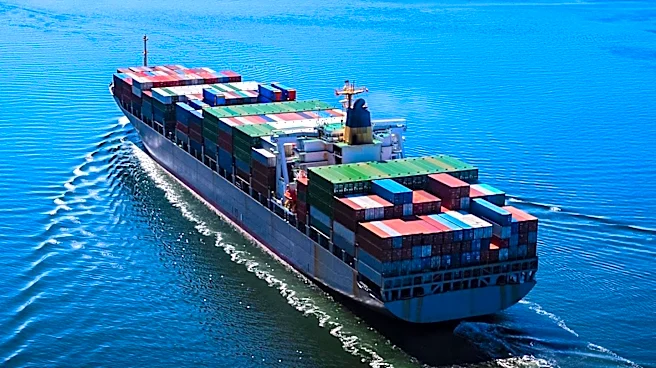
The UAE's economy is one of the most developed in the Middle East, largely due to its rich reserves of oil and natural gas. The federation is the 36th largest economy by nominal GDP and ranks high in terms of per capita GDP. This economic strength is supported by the individual contributions of each emirate, with Abu Dhabi and Dubai leading in oil production and trade, respectively.
Politically, the UAE is a founding member of the Cooperation Council for the Arab States of the Gulf and holds membership in several international organizations, including the United Nations and OPEC. This involvement underscores the UAE's strategic importance and its role as a key player in regional and global affairs.
Cultural and Social Dynamics
Culturally, the UAE is a melting pot of traditions and modernity. While Islam is the official religion and Arabic the official language, the country is home to a diverse population, including a significant number of expatriates. This diversity is reflected in the cultural activities and events hosted across the emirates, particularly in Dubai and Abu Dhabi.
The UAE's high Human Development Index and classification as a high-income developing economy by the IMF highlight the country's commitment to improving the quality of life for its residents. The federation's focus on education, healthcare, and infrastructure development has contributed to its reputation as a progressive and forward-thinking nation.
In conclusion, the United Arab Emirates' structure as a federation of seven emirates is central to its identity and success. Each emirate contributes to the country's economic, political, and cultural landscape, making the UAE a unique and influential player on the world stage.