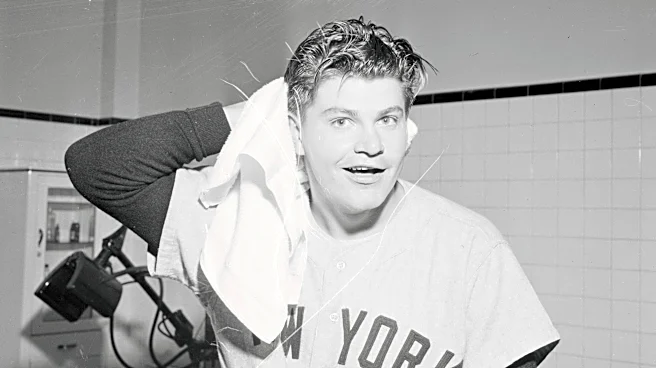






Ernie Banks, celebrated as "Mr. Cub" and "Mr. Sunshine," embarked on a remarkable baseball journey that began in the Negro leagues and culminated in a legendary career in Major League Baseball. His path was not just one of athletic achievement but also one of pioneering spirit, as he navigated the evolving landscape of professional baseball in the mid-20th century. From his early days with the Kansas City Monarchs to his 19 seasons as a shortstop
and first baseman for the Chicago Cubs, Banks consistently demonstrated exceptional talent and an unwavering dedication to the game. His story is a testament to his skill, resilience, and the significant impact he had on and off the field.
Foundations in the Negro Leagues and Military Service
Born in Dallas on January 31, 1931, Ernie Banks' professional baseball career commenced in 1950 when he joined the Kansas City Monarchs, a prominent team in the Negro leagues. This period was crucial for his development, providing him with competitive experience and honing his skills before the opportunity arose to play in Major League Baseball. The Negro leagues were a vital proving ground for many talented African American players during an era of segregation in American sports.During his tenure with the Monarchs, Banks also fulfilled his duty to his country by serving in the U.S. military. This period of service temporarily interrupted his baseball career but did not diminish his passion or ability. Upon completing his military service, he returned to the Kansas City Monarchs, reaffirming his commitment to the sport and preparing himself for the next chapter of his professional life. This dual experience of playing in the Negro leagues and serving in the military shaped his character and prepared him for the challenges and opportunities that lay ahead in the major leagues.
Breaking into Major League Baseball and Early Success
Ernie Banks made his highly anticipated major league debut in September 1953, signing with the Chicago Cubs. His transition from the Negro leagues to MLB was swift and impactful. In his first full season, he quickly made his presence felt, finishing as the Rookie of the Year runner-up in 1954. This early recognition signaled that Banks was not just a talented player, but one who could excel at the highest level of the sport.His consistent performance led to his first All-Star Game appearance in 1955, marking the beginning of a long streak of All-Star selections. From 1955 onward, Banks was a National League All-Star for 11 seasons, participating in 13 of the 15 All-Star Games held during those years. His rapid ascent to stardom in the major leagues demonstrated his exceptional talent and adaptability, proving that players from the Negro leagues could not only compete but dominate in MLB.
A Legacy Beyond the Field
Banks' influence extended beyond his playing statistics. He became a two-time National League Most Valuable Player in 1958 and 1959, leading the major league in home runs in 1958 and 1960. In 1960, he also earned the Cubs' first Gold Glove award, showcasing his all-around excellence. His career with the Cubs spanned 19 seasons, from 1953 to 1971, during which he hit 512 home runs.After retiring as a player in 1971, Banks continued to break barriers. He became the first black Ford Motor Company dealer in the United States, demonstrating his entrepreneurial spirit and commitment to community development. His induction into the National Baseball Hall of Fame in 1977 and his selection to the Major League Baseball All-Century Team in 1999 further solidified his status as a baseball legend. In 2013, he received the Presidential Medal of Freedom, recognizing his profound contributions to sports and society, highlighting his role as a pioneer and an enduring symbol of excellence and perseverance.