




The oil cleansing method, often referred to as OCM, is a technique for cleaning the human body that has gained attention in contemporary skincare. This method primarily involves using various oils, sometimes in specific mixtures, to cleanse the skin. While it is sometimes employed as a treatment for acne, its effectiveness and suitability for all skin types are subjects of ongoing discussion. The modern practice of OCM, despite its contemporary application,
draws parallels to ancient bathing rituals, suggesting a long-standing human interest in oil-based cleansing.
Modern Formulations and Customization
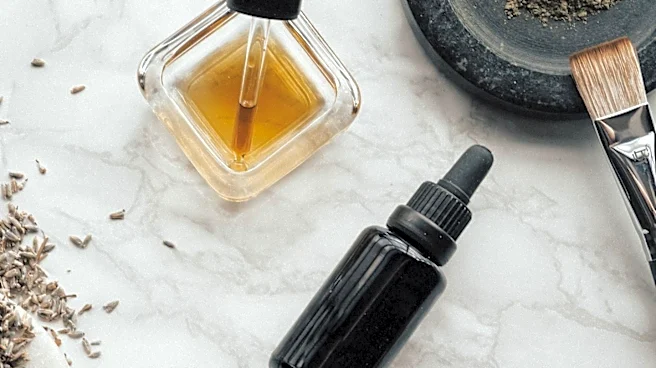
In its modern iteration, the oil cleansing method frequently involves combining different oils to create a customized cleanser. A common example cited is a mixture of 50% extra virgin olive oil and 50% castor oil. However, this ratio is not rigid and can be adjusted based on an individual's specific skin type and personal preferences. The goal is to optimize the mixture for the user's needs, acknowledging that different oils possess different properties.
For instance, castor oil, while a component in some mixtures, can be quite potent. For individuals with sensitive skin, it might be considered too harsh, leading to recommendations for a much lower concentration, such as a 1:9 ratio with other oils. Conversely, those with overly oily skin might find a larger proportion of castor oil beneficial. This highlights the personalized nature of the OCM, where understanding one's skin and the properties of various oils is key to successful application.
A Spectrum of Oils for Diverse Needs
The range of oils utilized in the oil cleansing method extends beyond just olive and castor oils. Many other oils are commonly incorporated into OCM regimens, offering a variety of choices for users. These include jojoba oil, which is often praised for its similarity to the skin's natural sebum, and sweet almond oil, known for its emollient properties. Coconut oil, argan oil, and rose hip seed oil are also popular choices, each bringing their own unique characteristics to a cleansing blend.
Further expanding the options are sunflower oil, safflower oil, and grapeseed oil. The availability of such a wide array of oils allows for significant customization, enabling individuals to experiment and find the combination that best suits their skin's particular requirements. However, it is important to note that some sources suggest the oil cleansing method may not be suitable for sensitive skin, underscoring the need for careful consideration and potentially patch testing before full adoption.
Echoes of Ancient Cleansing Practices
The modern oil cleansing method claims a lineage from ancient bathing practices, though with a distinct difference in focus. While ancient peoples certainly used oil as part of their bathing rituals, their methods were not solely centered on oil. Historical accounts indicate that ancients would also incorporate water into their cleansing routines. For example, in the ancient world, olive oil was a common element in bathing, sometimes combined with ash. A scraping implement known as a strigil was also used to remove the oil and impurities from the skin.
This historical context provides a fascinating backdrop to the contemporary OCM. Before the industrial production of modern soap in the 19th century, oil-based cleansing was a practical and widespread method. Pliny the Elder, a Roman author and naturalist, even mentioned these ancient bathing practices, illustrating their significance. In Roman baths, a man might use this oil-based cleansing method before entering a Caldarium, or 'hot bath,' demonstrating a structured approach to hygiene that predates modern soap by centuries.