



The 1999 MTV Video Music Awards, held on September 9, 1999, was a meticulously planned event that also saw its share of unscripted moments and production challenges. Staged at the iconic Metropolitan Opera House in New York City, the ceremony was a grand production designed to honor the best music videos of the year. While the glitz and glamour were on full display, the event's success was also a testament to the efforts of its production team and its ability
to navigate unexpected occurrences.
The Production Team and Setting
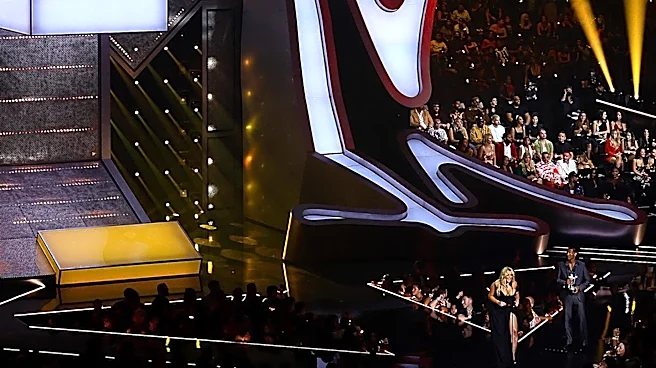
The ceremony was produced by Salli Frattini and Dave Sirulnick, with Beth McCarthy directing the live broadcast. Their collective expertise was crucial in orchestrating an event of this magnitude, which featured numerous live performances, award presentations, and celebrity appearances. The choice of the Metropolitan Opera House as the venue added a layer of prestige and grandeur to the typically edgy MTV event, creating a unique juxtaposition between high culture and popular music.
Chris Rock, serving as the host, played a pivotal role in guiding the evening's proceedings, injecting his signature humor and energy into the show. The period between June 13, 1998, and June 11, 1999, was the eligibility window for the music videos being honored, requiring extensive coordination to review and select nominees and winners. The seamless flow of the show, despite its many moving parts, speaks to the organizational prowess of the production team.
Unscripted Moments and Celebrity Interactions
Even with careful planning, live events often present unforeseen circumstances, and the 1999 VMAs were no exception. One of the most talked-about moments involved Diana Ross and Lil' Kim. Lil' Kim's revealing outfit, which left her left breast exposed with only a small pastie, became a major talking point. During the show, Diana Ross playfully jiggled Lil' Kim's breast, an unscripted interaction that instantly became an iconic, if controversial, highlight. Such spontaneous celebrity moments often define live awards shows and contribute to their cultural impact.
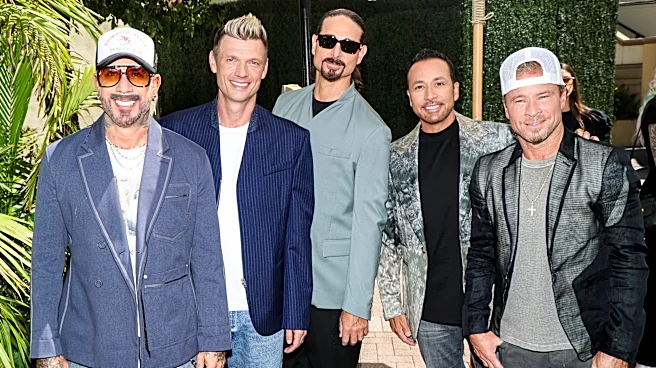
Another unexpected incident occurred when the Backstreet Boys were accepting their Viewer's Choice award. A man identified as John Del Signore crashed the stage, uttering the cryptic phrase, "Wake up at 3." It was later revealed that Del Signore's intention was to use the high-profile platform to pitch a show idea to Viacom, the parent company of MTV. This security breach added an element of surprise and chaos to the live broadcast, demonstrating the challenges of managing a large-scale public event.
Last-Minute Changes and Strategic Partnerships
Production plans sometimes require last-minute adjustments. Rapper DMX was scheduled to perform but was a no-show, leading to an extension of Jay-Z's solo set. Such changes require quick thinking and adaptability from the production team to maintain the show's momentum. The awards show also strategically integrated sponsors and cross-promotions, most notably with SEGA. The timing of the ceremony coincided with the launch of SEGA's Dreamcast game console, creating a mutually beneficial partnership that leveraged the VMA's massive audience to promote the new gaming technology. These behind-the-scenes decisions and unforeseen events collectively shaped the memorable experience of the 1999 MTV Video Music Awards.