






Athleisure, a portmanteau of "athletic" and "leisure wear," describes the fashion trend of wearing sportswear and athletic clothing for non-sporting activities, including leisure, office, and other settings. This trend has not only redefined casual dress but has also created a massive economic sector. The core appeal of athleisure lies in its promise of maximum comfort and functionality, while still maintaining a stylish appearance. This blend has allowed
major sportswear manufacturers to tap into new markets and target groups by adapting existing products or creating new designs, often through collaborations with high-fashion brands.
Rapid Market Expansion and Financial Projections
The athleisure market has demonstrated remarkable growth, capturing significant attention from financial analysts and media outlets. In 2015, American media such as USA Today and The Wall Street Journal highlighted the market's expansion, noting its impact on traditional workwear styles and even cutting into jeans sales. In 2014, the market size was reported to be $35 billion, marking an 8% increase from the previous year. This early success signaled a burgeoning industry with substantial potential.
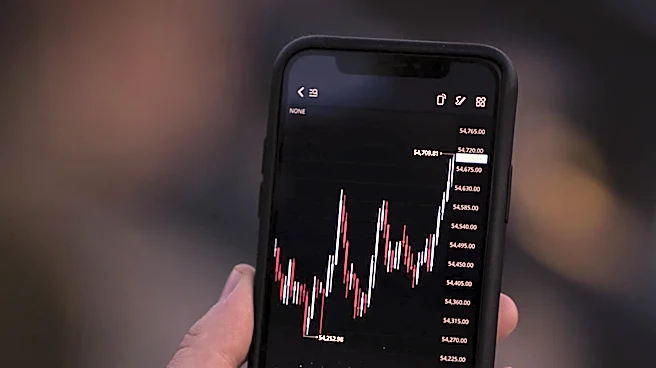
Further estimates underscored this trajectory. By 2016, the athleisure market, encompassing footwear, was valued at approximately $270 billion globally. Projections indicated a significant 30% growth in the United States and Asia by 2020. Analysts from Morgan Stanley were even more optimistic, suggesting that worldwide sales could surpass $350 billion by the same year. These figures illustrate the rapid financial ascent of athleisure, transforming it from a niche trend into a dominant force in the apparel industry. A study by Allied Market Research estimated the global athleisure market at $155 billion in 2018. More recently, in 2021, the market was valued at around $87 billion, representing about a 6% market share, with projections to exceed $842 billion by 2028, indicating sustained growth and innovation.
Competitive Landscape and Market Saturation
Despite the impressive growth forecasts, the athleisure market has begun to face challenges related to market saturation. The success of the trend has attracted a wide array of competitors, leading to an influx of brands offering similar products. Traditional luxury brands and mass-market retailers, along with fast-fashion companies like H&M, Zara, and Primark, have entered the athleisure space, often providing more affordable clothing options. Even discounters, such as Lidl, have become active in this fashion segment.
This increased competition has put pressure on various retail outlets, including sporting goods stores. The market is characterized by continuous innovation and brand differentiation as companies strive to stand out. For instance, collaborations like The North Face x Gucci or adidas by Stella McCartney exemplify how brands are seeking to combine athletic functionality with high-fashion appeal to maintain relevance and capture consumer interest. The entry of big-box retailers like Walmart and Target further intensifies the competitive environment, as they offer athleisure products at accessible price points. This dynamic landscape means that while the market continues to grow, brands must constantly adapt and innovate to thrive amidst the fierce competition.
Consumer Behavior and Lifestyle Integration
The growth of athleisure is deeply intertwined with evolving consumer lifestyles. Individuals who embrace athleisure often show a strong interest in an active lifestyle and self-optimization. The clothing itself, with its emphasis on comfort and practicality, aligns perfectly with the demands of modern life, particularly with the rise of remote work and home-based activities. The COVID-19 pandemic, in particular, accelerated the adoption of athleisure, as many people prioritized comfortable and functional attire for virtual meetings and daily routines at home.
This trend is also fueled by a growing interest in fitness activities such as yoga, running, and home workouts, which naturally lead to increased demand for appropriate apparel. The styles, cuts, colors, and fabrics of athleisure clothing are designed to emphasize both style and functionality, making them suitable for a range of activities from a workout to a casual outing. The market's ability to cater to these diverse needs, combined with endorsements from celebrities like Beyoncé and Rihanna, has solidified athleisure's position as a pervasive and economically significant fashion category.