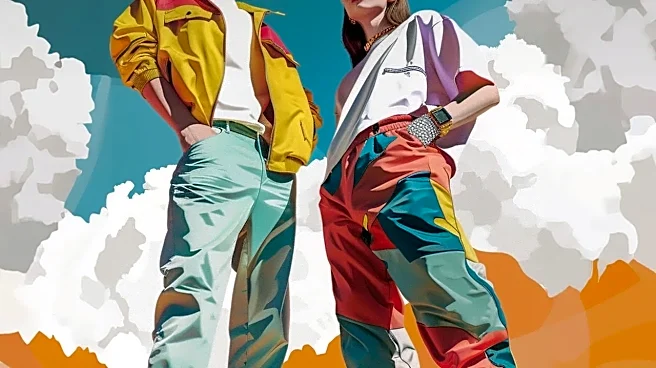

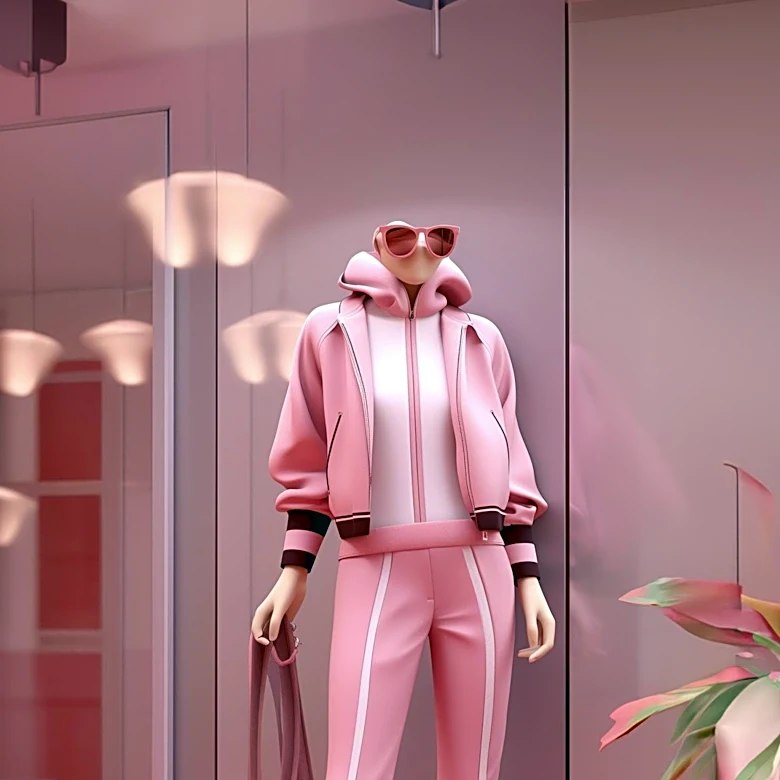


The turtleneck, a garment characterized by its close-fitting collar that covers the neck, has been a staple in fashion for decades. Its journey from a practical piece of clothing to a fashion statement is a fascinating one. Popular in Europe and North America since the mid-1900s, the turtleneck has evolved in style and significance, reflecting broader cultural shifts.
The Practical Beginnings
The turtleneck's origins are rooted in practicality. Designed to provide warmth,
the garment's close-fitting collar was ideal for cold weather, making it a popular choice for those needing extra protection against the elements. The design was simple yet effective, allowing wearers to stay warm without the need for additional scarves or neck coverings. This functional aspect made the turtleneck a favorite among athletes and outdoor enthusiasts who required both comfort and warmth.
As the turtleneck gained popularity, it began to be associated with a certain ruggedness and masculinity. This was partly due to its adoption by sportsmen and military figures, who valued its practicality. The garment's simplicity and functionality made it a symbol of straightforwardness and resilience, qualities that were highly regarded in these circles.
A Shift to Fashion
By the mid-20th century, the turtleneck began to transcend its utilitarian roots and enter the realm of fashion. Designers started to experiment with the garment, introducing variations in fabric, color, and fit. This shift was partly driven by cultural icons who embraced the turtleneck as a symbol of sophistication and rebellion against traditional fashion norms.
The turtleneck's association with intellectualism and creativity also grew during this period. It became a favorite among artists, writers, and thinkers who appreciated its minimalist aesthetic. The garment's ability to accentuate the face and elongate the figure made it a flattering choice for many, further cementing its status as a fashion staple.
Modern Interpretations
Today, the turtleneck continues to be a versatile piece in the fashion world. It can be dressed up or down, making it suitable for a variety of occasions. The garment's ability to transition from casual to formal settings with ease is one of its enduring appeals. Modern designers continue to innovate with the turtleneck, exploring new materials and styles that keep it relevant in contemporary fashion.
The turtleneck's journey from a practical garment to a fashion icon reflects broader cultural trends and shifts. Its enduring popularity is a testament to its versatility and timeless appeal, making it a staple in wardrobes around the world.