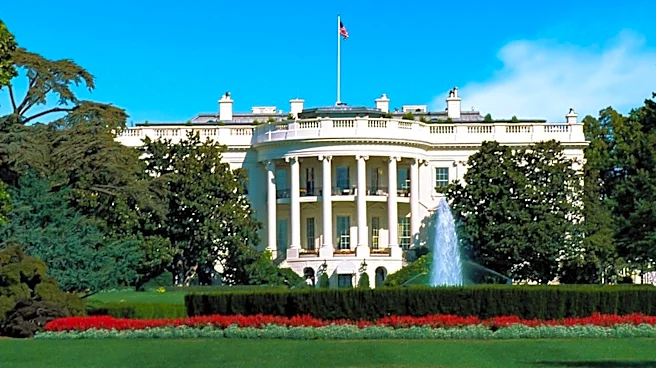







On September 12, 1994, the South Lawn of the White House became the site of an unprecedented event when a stolen Cessna 150 aircraft crashed onto its grounds. The pilot, Frank Eugene Corder, an American truck driver, was killed in the incident, which occurred in the early hours of the morning. This dramatic act, later deemed a suicide, brought national attention to Corder and raised questions about White House security, even though President Bill
Clinton was not present at the time due to renovations.
The Stolen Aircraft and the Crash
Frank Eugene Corder stole the Cessna 150 late on September 11, 1994. The small aircraft was then flown towards Washington, D.C., culminating in its crash onto the White House South Lawn. The incident took place early on September 12, 1994, with Corder attempting to land the plane on the lawn. He was the sole casualty of the crash, dying upon impact.The event immediately triggered a security response and investigation. While the exact motivations behind Corder's actions were complex, the crash itself was a stark reminder of potential vulnerabilities, even in highly secured areas. The fact that a stolen plane could reach the White House grounds prompted a reevaluation of existing security protocols.
Corder's Background and Recent Struggles
Born on May 26, 1956, in Perry Point, Maryland, Frank Eugene Corder had a varied work history before the 1994 incident. He was the son of William Eugene Corder, an aircraft mechanic, and Dorothy Corder. After dropping out of Aberdeen High School in the 11th grade, Corder enlisted in the U.S. Army in October 1974. He served as a mechanic, stationed at Fort Knox, Kentucky, and Fort Carson, Colorado, before being honorably discharged in July 1975 at the rank of private first class.Following his military service, Corder worked as a truck driver from 1976 until his employment was terminated in early 1993. This period marked a downturn in his life, leading to legal troubles. On April 15, 1993, he was arrested for theft, and later that year, on October 9, he faced another arrest for drug dealing. He was subsequently sentenced to 90 days at a drug rehabilitation center, from which he was released in February 1994.
Personal Turmoil Leading to the Incident
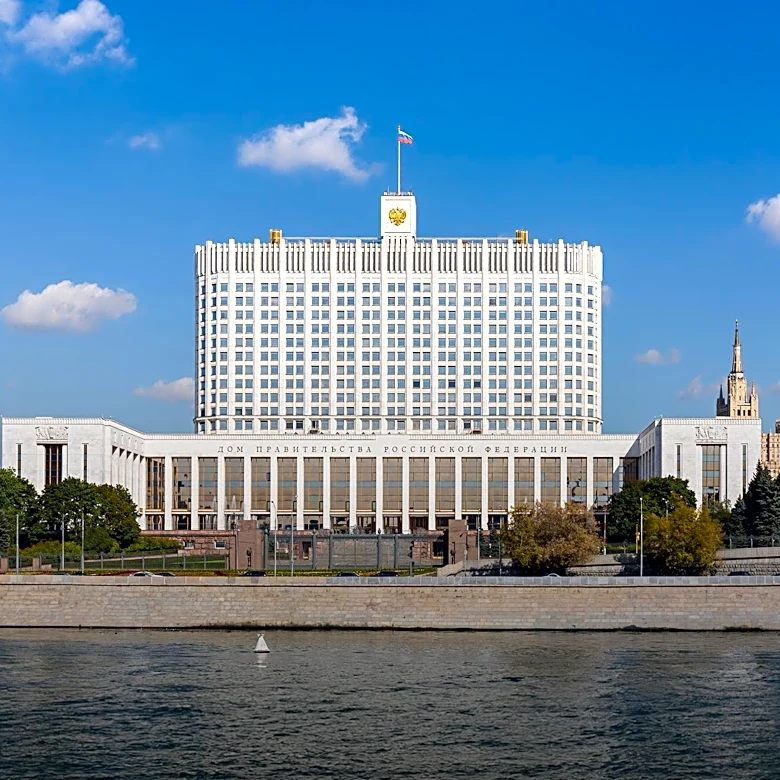
After his release from rehabilitation, Corder was living with his third wife, Lydia, at Keyser's Motel in Aberdeen, Maryland. However, Lydia Corder left him approximately three weeks before the White House crash. This separation is widely believed to have contributed significantly to a deep depression and ultimately, to his suicide.Friends of Corder indicated that he held no ill will towards the then-U.S. President Bill Clinton. Instead, they suggested that his actions might have been driven by a desire for publicity, drawing parallels to Mathias Rust's flight of a Cessna 172 from Finland to Moscow. President Clinton was not in the White House at the time of the crash, as he was staying at Blair House due to ongoing renovations, meaning Corder's act did not directly endanger the President.