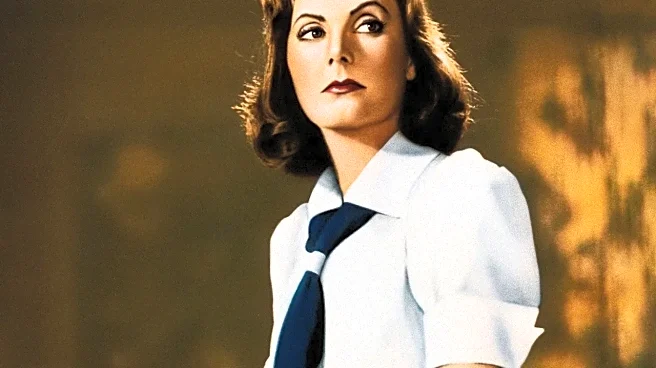





Airbrush makeup, a technique involving the spray application of cosmetics onto the skin, has a rich history and diverse applications, particularly within the entertainment industry. Unlike traditional methods that rely on sponges, brushes, or fingers, airbrushing uses a specialized machine to create a fine mist of makeup. This method gained significant traction in Hollywood as early as the 1930s, with figures like Monte Westmore sometimes credited
for its development in films such as "Gone With the Wind." However, his brother Wally was reportedly using it even earlier in Pre-Code films like "Murder at the Vanities," indicating its early adoption and recognition for its unique benefits.
From Early Hollywood to High-Definition Demands
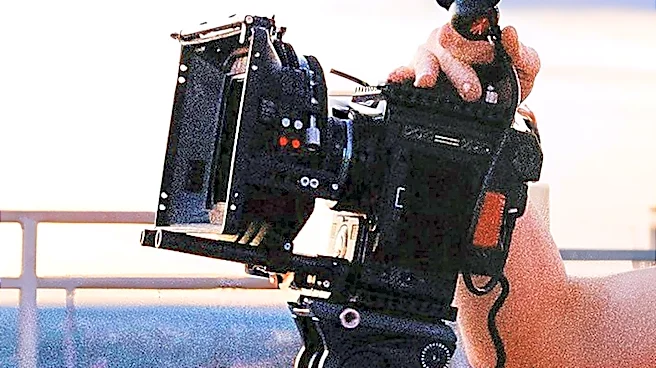
Initially valued for its ability to create a seamless finish on screen, airbrush makeup has seen a resurgence in popularity with the advent of high-definition (HD) video and television. Traditional powder or liquid foundations can often settle into pores and wrinkles, becoming visible under the scrutiny of HD cameras. Airbrush makeup, by contrast, is dispersed as millions of tiny droplets, forming a thin, even layer that can appear natural and non-heavy. This characteristic makes it ideal for achieving a flawless look that stands up to the demands of modern media, where every detail is magnified.Versatility in Professional and Personal Use
The versatility of airbrush systems extends beyond film and television. They are widely used in theater, bridal makeup, and even sunless tanning. Professional applications often involve larger systems operating at higher pressures, allowing for a range of effects from light to heavy coverage and detailed work. For personal, in-home use, smaller systems designed for lower pressure are available, making the technique accessible to a broader audience. This adaptability underscores its value across various cosmetic needs.Specialized Techniques and Formulas
Applying airbrush makeup involves specific techniques, such as layering several passes to build coverage and achieve subtle changes. Artists typically spray the makeup onto the face from a distance of 6-12 inches, using about 6-12 drops of foundation. Stencils are also commonly employed to assist with challenging areas like eyeliner or for creating body art and temporary tattoos, showcasing the precision possible with this method. The unique "globular" application creates a net-like effect on the skin, resulting in a barely noticeable, thin, and light layer.Certain airbrush makeup formulas are designed for specific performance characteristics. Silicone-based airbrush fluid, for instance, is largely waterproof, making it highly suitable for fashion photography or film where exposure to water or sweat is a concern. This water resistance means the makeup can endure being submerged or through perspiration without removal or dislodging. However, it typically requires a specific silicone makeup remover for thorough cleansing, though it will naturally wear off over many hours. This durability and flawless appearance have made airbrush makeup a preferred choice for bridal and event makeup in the contemporary scene, ensuring a long-lasting and impeccable finish.