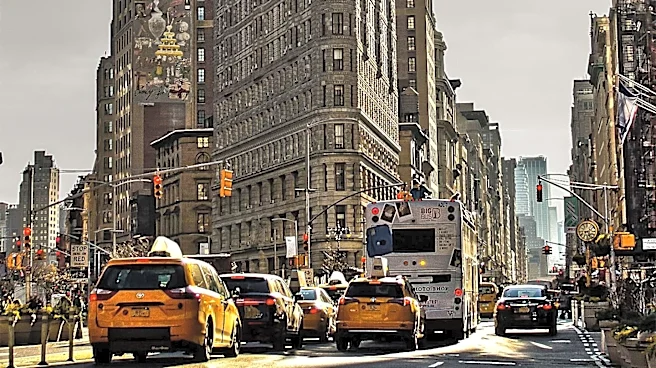









New York City taxis are an iconic symbol of the city, known for their distinctive yellow color. The history of these taxis is rich and varied, reflecting changes in technology, regulation, and urban life. From the early days of horse-drawn carriages to the modern fleet of hybrid vehicles, the evolution of New York City taxis offers a fascinating glimpse into the city's past and present.
Early Beginnings
The story of New York City taxis begins in the late 19th century.
Initially, horse-drawn carriages were the primary mode of hired transportation. However, the advent of the automobile in the early 20th century brought significant changes. In 1907, Harry N. Allen, frustrated by the high cost of a taxi ride, decided to start his own taxi company. He imported 65 gasoline-powered Darracq automobiles from France and painted them yellow to make them easily visible from a distance. By 1908, Allen's New York Taxicab Company was operating around 700 taxis.
The introduction of gasoline-powered taxis marked a turning point in the city's transportation landscape. These vehicles quickly gained popularity, and by the 1910s, several taxi companies had emerged, offering more affordable and efficient services compared to horse-drawn carriages.
The Medallion System
The 1930s saw the introduction of the medallion system, a significant regulatory change that continues to impact the taxi industry today. In 1937, Mayor Fiorello LaGuardia signed the Haas Act, which established official taxi licenses and introduced the medallion system. This system limited the number of taxis allowed to operate in the city, initially capping the number of licenses at 16,900.
The medallion system was designed to regulate the industry and ensure the safety and quality of taxi services. However, it also created a barrier to entry, leading to a black market for unlicensed taxis in areas underserved by medallion taxis. Over the years, the number of medallions fluctuated, with significant changes occurring in the 1990s when the restriction on licenses was lifted.
Modern Developments
In recent decades, the New York City taxi industry has continued to evolve. The introduction of hybrid vehicles in 2005 marked a shift towards more environmentally friendly transportation options. Models like the Toyota Prius and Ford Escape Hybrid became part of the city's taxi fleet, offering improved fuel efficiency and reduced emissions.
The rise of ride-hailing services like Uber and Lyft in the 2010s further transformed the industry. These services provided new competition for traditional taxis, leading to a decline in taxi patronage. Despite these challenges, the iconic yellow taxis remain a vital part of New York City's transportation network, adapting to new technologies and consumer demands while maintaining their status as a symbol of the city.