






The children's television series "Make a Wish," which aired on ABC from 1971 to 1976, stood out for its unique format and style. Created and produced by Lester Cooper, the show was hosted by folk musician Tom Chapin and became known for its innovative approach to children's programming. Each episode focused on a specific theme, presented in a way that was both educational and entertaining for young viewers.
A Thematic Approach
"Make a Wish" was structured around a thematic
approach, with each episode dedicated to exploring a particular topic. This could range from animals like snakes to mechanical subjects such as motorcycles. The show's host, Tom Chapin, would introduce the theme in a creative and engaging manner, often using imaginative language to spark curiosity. For example, he might say, "I think a snake is what I'll be. Imagine all the possibilities." This approach encouraged children to think creatively and explore the world around them through the lens of each episode's theme.
The thematic focus of "Make a Wish" allowed for a diverse range of topics to be covered, providing educational content in a format that was accessible and enjoyable for children. By centering each episode on a specific subject, the show was able to delve deeper into the details, offering viewers a comprehensive understanding of the topic at hand.
Visual and Musical Elements
One of the defining features of "Make a Wish" was its use of visual and musical elements to enhance the storytelling. The show employed a free-association presentation style, incorporating stock footage, animation, and Chapin's music and voiceover commentary. This quick-cutting, stream-of-consciousness style created a dynamic viewing experience that was both visually stimulating and informative.
Music played a significant role in the show's format, with Tom Chapin's brother, Harry Chapin, contributing songs, including the notable "Circle." The title song "Make a Wish" was composed by Bernard Green, who had previously worked on "Your Show of Shows." The combination of music and visuals helped to capture the attention of young viewers, making the educational content more engaging and memorable.
Impact and Legacy
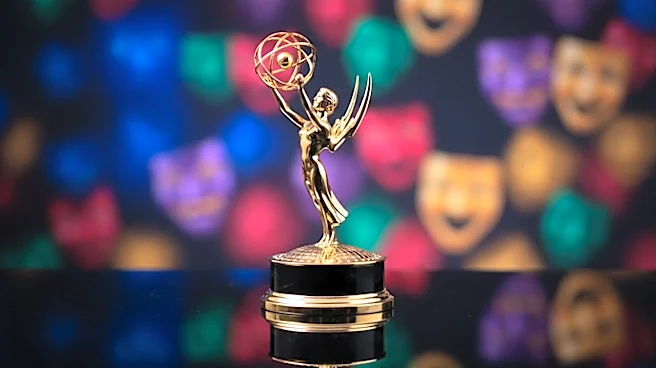
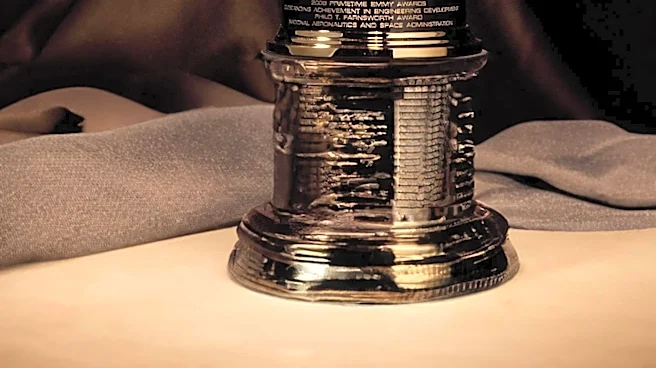
The innovative format and style of "Make a Wish" left a lasting impact on children's television. The show was recognized for its excellence, winning a Peabody Award for Best Children's Series in 1971 and an Emmy for Outstanding Informational Children's Series in 1974. Its success paved the way for future children's programming that combined education with entertainment in creative ways.
In 1976, "Make a Wish" was replaced by "Animals, Animals, Animals," which continued the tradition of using a similar visual-overload style and folk-style songs. This transition highlighted the enduring influence of "Make a Wish" on the genre, as it set a standard for how children's educational content could be presented in an engaging and imaginative manner.