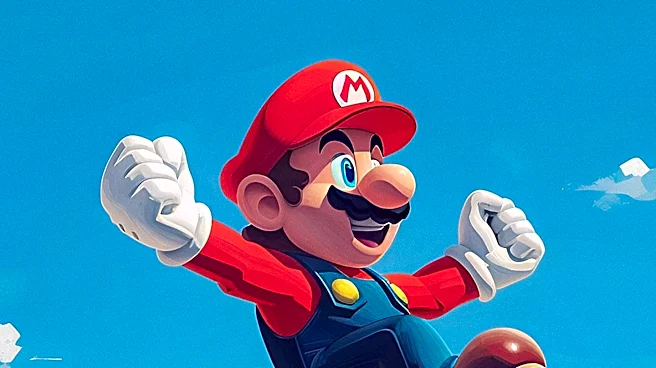

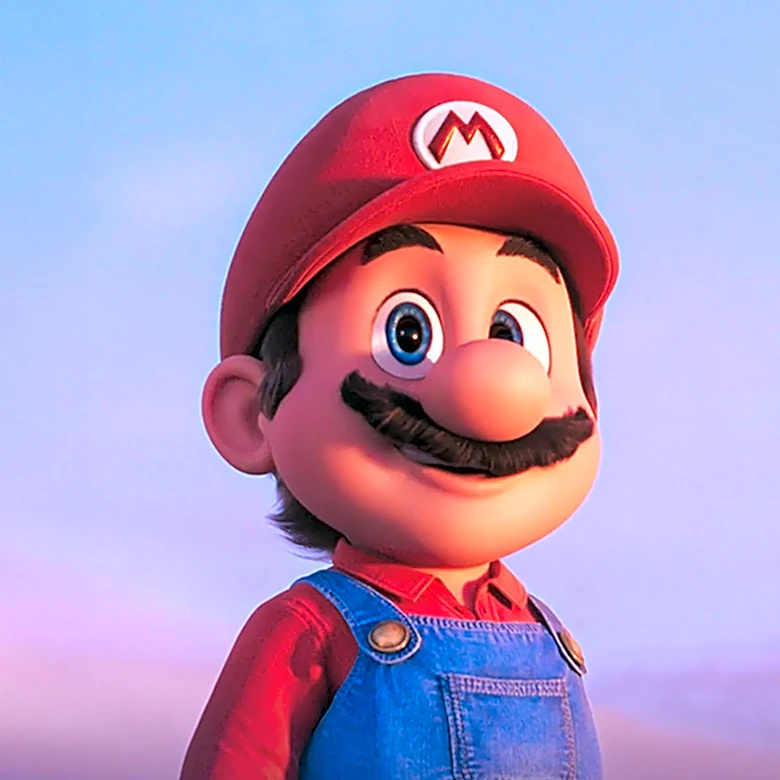





The Mario franchise, a cornerstone of the gaming world, has undergone significant evolution since its inception. Known for its iconic characters and engaging gameplay, the franchise has become a cultural phenomenon. This article delves into the historical development of the Mario series, highlighting key milestones that have shaped its journey.
The Beginnings of a Gaming Icon
The Mario franchise began as a simple concept that quickly captured the hearts of gamers worldwide. Initially,
the games were set in or linked to real-world locations, such as New York City. This connection to familiar places helped players relate to the characters and settings, making the games more engaging. Over time, however, the franchise shifted its focus to fictional fantasy locations, creating a unique universe that players could explore.
The early games in the series laid the foundation for what would become a gaming empire. With Mario as the protagonist, players navigated through themed environments filled with obstacles, enemies, and interactive objects. This gameplay style, combined with the recurring narrative of rescuing Princess Peach from King Bowser, became a hallmark of the series.
Expanding the Mario Universe
As the franchise grew, so did its universe. The introduction of distinct kingdoms and islands, such as the Mushroom Kingdom and Yoshi's Island, added depth to the game's world. These locations featured unique biotopes and themes, each with its own set of challenges and adventures. The visual and spatial design of these environments reflected Japanese aesthetic tendencies, emphasizing expressive settings and the primacy of space over character.
The franchise also expanded to include a rotating cast of allies and ability-granting power-ups. These elements not only enhanced gameplay but also enriched the narrative, allowing players to experience new adventures with each installment. The introduction of spinoff material featuring secondary characters, such as Donkey Kong and Luigi, further broadened the scope of the Mario universe.
Milestones and Cultural Impact
Throughout its history, the Mario franchise has achieved numerous milestones that have cemented its place in gaming history. It is the best-selling video game franchise of all time, with over 900 million copies sold. The Super Mario subseries alone accounts for more than 430 million of these sales, highlighting its enduring popularity.
The franchise's success is not limited to video games. It has also made a significant impact on popular culture, inspiring films, anime, and other media. The recurring themes and characters have become iconic symbols, recognized by fans around the world. As the franchise continues to evolve, it remains a testament to the creativity and innovation that have defined the gaming industry for decades.