





The United States Exploring Expedition, often referred to as the U.S. Ex.Ex. or Wilkes Expedition, was a monumental undertaking for American science and naval power in the 19th century. However, its journey from concept to reality was not straightforward. It involved years of persistent lobbying, legislative battles, and shifts in presidential administrations before the mission finally received the necessary approval and funding. This period of preparation
highlights the political will and scientific ambition that eventually propelled the United States into significant oceanographic exploration.
Early Advocacy and Congressional Action
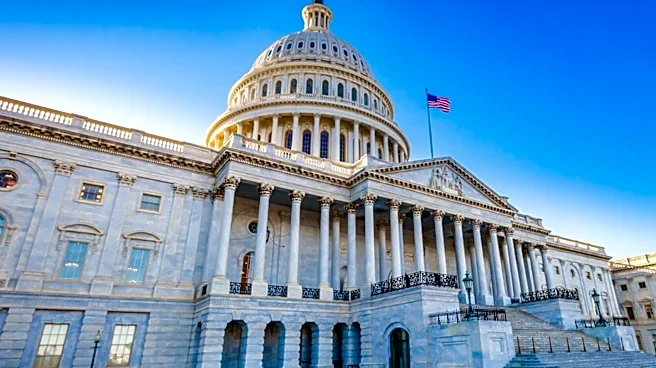
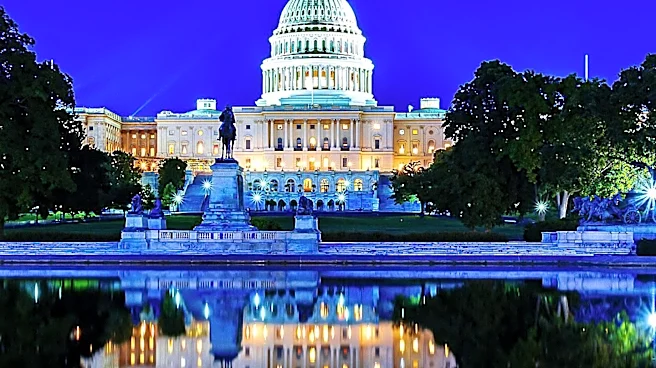
The initial push for a U.S. exploring expedition into the Pacific Ocean began with the dedicated efforts of individuals like Jeremiah N. Reynolds. His lobbying proved instrumental in bringing the idea to the attention of the U.S. House of Representatives. On May 21, 1828, the House responded to these efforts by passing a resolution. This resolution specifically requested President John Quincy Adams to dispatch a ship for the purpose of exploring the vast Pacific.
President Adams was receptive to this resolution and promptly acted on it. He issued an order to his Secretary of the Navy, instructing him to prepare a vessel, the USS *Peacock*, for this exploratory mission. This early enthusiasm, however, faced legislative hurdles. Despite the House voting an appropriation for the expedition in December of the same year, the bill encountered significant resistance and ultimately stalled in the U.S. Senate in February 1829, temporarily halting the ambitious plans.
Overcoming Political Obstacles
The concept of the expedition lay dormant for several years following its initial legislative setback. It wasn't until the administration of President Andrew Jackson that the idea gained renewed traction. In 1836, Congress successfully passed legislation that officially approved the exploration mission, signaling a significant step forward after years of delay. This approval demonstrated a growing recognition within the government of the importance of such an endeavor.
However, even with congressional approval, the expedition faced further bureaucratic inertia. The effort once again stalled, this time under the purview of Secretary of the Navy Mahlon Dickerson. It took another change in presidential leadership to inject the necessary momentum. President Martin Van Buren, upon assuming office, actively championed the expedition and pushed for its progress, ensuring that the preparations moved forward despite previous delays. This persistent political backing was crucial in finally launching what would become a landmark scientific and naval venture for the United States.
The Mission's Broad Scope
The United States Exploring Expedition was not merely an exercise in naval power; it was deeply intertwined with the growth of science in the United States. The mission's primary objective was to explore and chart the Pacific Ocean, a vast and largely unknown territory to American interests at the time. This focus on oceanography, a then-young field, underscored the scientific ambitions driving the expedition.
The expedition's significance extended beyond mapping. It aimed to contribute substantially to various scientific disciplines, laying groundwork for future American scientific endeavors. The long and arduous preparation phase, marked by political maneuvering and legislative persistence, ultimately paved the way for an expedition that would leave a lasting legacy on American science and exploration, despite the challenges and conflicts it would later encounter.