



Virasana, commonly known as Hero Pose, is a foundational kneeling asana in yoga practice. It serves as a starting position for a variety of other movements, including forward and backward bends, as well as certain twists. Beyond its role as a preparatory pose, Virasana can also function as an alternative to other seated asanas, such as Padmasana (Lotus Pose), for meditation. This versatility makes it a significant posture in the yogic tradition, offering
both physical and mental benefits to practitioners. Its unique structure allows for deep engagement of the legs and hips, while also providing a stable base for seated practices.
The pose is initiated by kneeling with the knees together, then separating the feet to allow the buttocks to rest on the floor. For those new to the pose, modifications are available, such as placing one foot on top of the other and sitting on them, or using a cushion between the feet for support. Notably, Virasana is one of the few poses that can be performed immediately after eating, suggesting its gentle nature on the digestive system. However, it is crucial to approach Virasana with awareness, as inadequate hip extension and rotation can put the knees at risk of injury. In such cases, support under the buttocks is recommended to facilitate proper hip alignment and extension, and individuals with existing knee injuries should avoid the pose entirely.
Therapeutic Applications and Common Variations
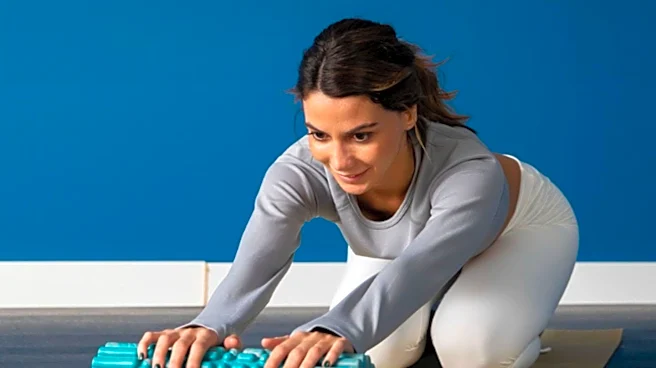
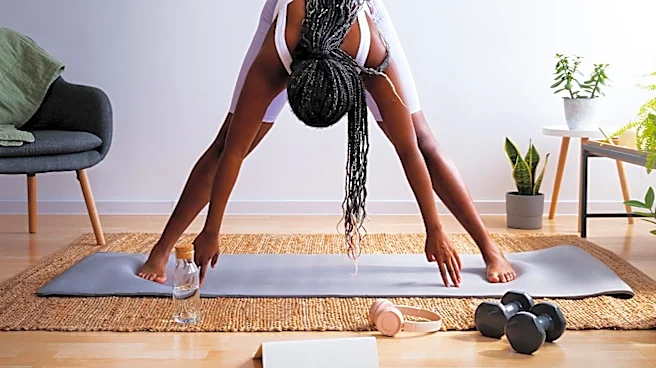
Virasana offers several therapeutic applications, particularly through its variations. Adho Mukha Virasana, or Downward Facing Hero Pose, involves stretching the body forward and down, with the hands reaching forward to the ground. This variation is often used as a counterpose following chest-opening asanas and can also serve as a recovery position during a challenging yoga sequence. Its therapeutic benefits include releasing the spine, helping to alleviate lower back pain, and promoting shoulder opening. This makes it a valuable pose for both physical restoration and gentle stretching.
Another significant variation is Supta Virasana, or Reclining Hero Pose, where the body reclines on the back. In this pose, the hands can either rest beside the thighs or be stretched over the head, depending on the practitioner's comfort and desired stretch. This reclining version deepens the stretch in the quadriceps and hip flexors, while also opening the chest and abdomen. It is a more intense variation that requires careful attention to knee comfort and hip flexibility.
One-Legged and Half Reclined Hero Poses
Further modifications of Virasana include Eka Pada Supta Virasana, or One-Legged Reclining Hero Pose, which is also known as Ardha Supta Virasana, or Half Reclined Hero Pose. In this variation, one leg is folded under the body, similar to the starting position of Virasana, while the other leg is extended forwards. This asymmetrical pose allows for a more focused stretch on one side of the body and can be a stepping stone for practitioners working towards the full Supta Virasana. The extension of one leg helps to balance the intensity and can make the pose more accessible.
The text also mentions Yogadandasana as a variant of Virasana, as depicted in "Light on Yoga." In this specific variant, one bent leg is rotated inwards until the foot supports the armpit on the same side. This advanced modification demonstrates the extensive adaptability of the Hero Pose, allowing for a wide range of physical expressions and therapeutic benefits within the broader yoga practice. Each variation of Virasana provides unique challenges and rewards, catering to different levels of flexibility and specific therapeutic needs.