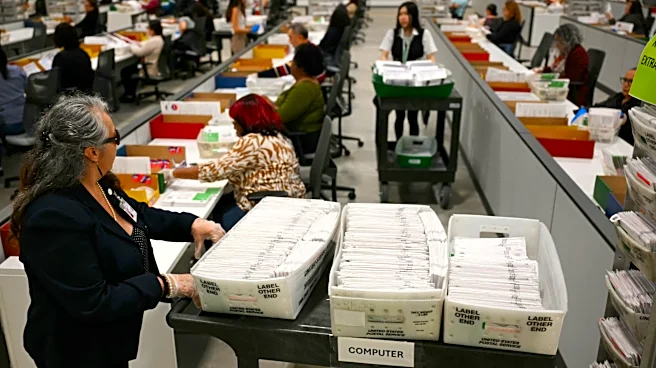



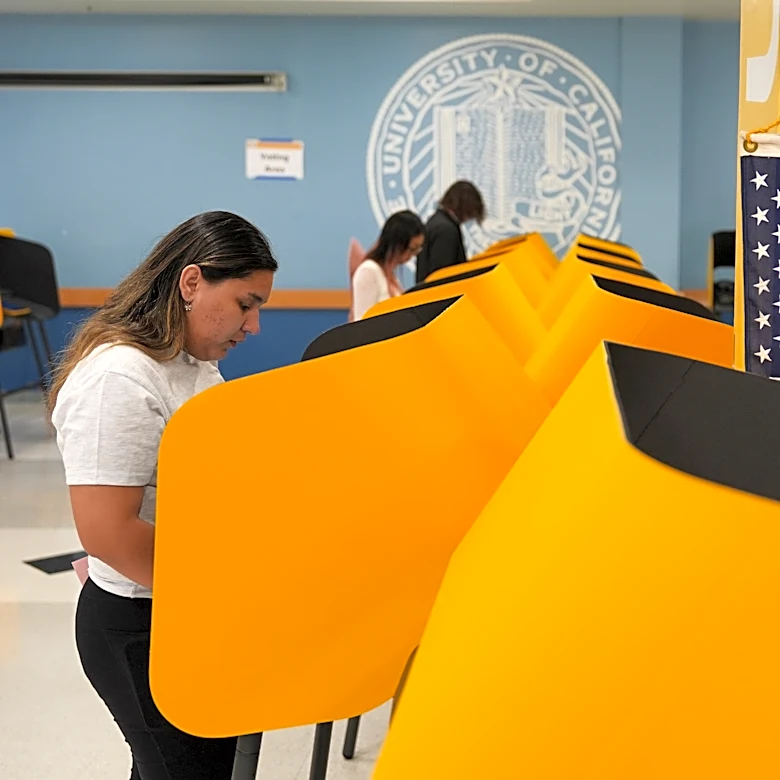





California, a state known for its significant electoral weight, played a crucial role in the 1976 United States presidential election. On November 2, 1976, California voters cast their ballots as part of the national election, choosing 45 representatives, or electors, to the Electoral College. These electors were tasked with formally voting for the president and vice president. The outcome in California was particularly noteworthy, as it narrowly
favored the Republican incumbent, Gerald Ford, over his Democratic challenger, Jimmy Carter, in a contest that had lasting implications for the state's political landscape.
A Close Contest in the Golden State
In 1976, California narrowly voted for Gerald Ford. Ford secured 49.35% of the vote, while Jimmy Carter received 47.57%. This resulted in a victory margin of 1.78% for Ford. This outcome made California almost 4% more Republican than the nation-at-large in that election cycle. The close nature of the race in such a populous state highlighted its importance and the competitive political environment of the time. The state's electoral votes were a significant prize, and the narrow margin underscored the intensity of the campaign efforts by both parties.
The election results in California also revealed interesting shifts in county-level voting patterns. As of the 2024 presidential election, 1976 remains the last time that a Democrat won the counties of Amador, El Dorado, Lassen, Madera, Placer, Shasta, Sierra, and Yuba. This indicates a significant change in the political leanings of these areas over the subsequent decades. Furthermore, Jimmy Carter was the last candidate from either party to carry Los Angeles County by only a plurality, suggesting a more fragmented vote in that major urban center than in later elections.
Shifting Political Landscapes and Lasting Legacies
The 1976 election also marked the last time a Republican presidential candidate won at least 40% of the vote in San Francisco. It was also the last time that San Francisco County was not the most Democratic county in the state, signaling a clear and enduring shift in its political identity. These county-level statistics provide a detailed look at the evolving political geography of California, showing how certain regions began to solidify their partisan preferences.
Another significant aspect of the 1976 election in California is that it was the last time a Democrat won the presidency without carrying California. This highlights the state's growing importance as a Democratic stronghold in subsequent presidential elections. Additionally, it was the last time that California would vote Republican in a close election. The state would not vote for a losing candidate again until 2000, and for the loser of the popular vote until 2004, further emphasizing the unique nature of the 1976 outcome within California's electoral history.
California's Electoral Significance
California's 45 electoral votes in 1976 represented a substantial portion of the total electoral college. Winning the state was a major boost for any presidential campaign. The fact that Ford secured these votes, albeit narrowly, was a testament to his campaign's efforts in the state. The close margin, however, also indicated the strong challenge posed by Carter, even in a state that ultimately went Republican. The 1976 election in California serves as a historical marker, illustrating a period of transition in the state's political alignment and foreshadowing future electoral trends.