





The Boston Garden, which opened on November 17, 1928, was more than just a sports arena; it was a venue with a distinct character, known for its intimate atmosphere and, at times, challenging conditions. Designed by boxing promoter Tex Rickard, the arena was initially called "Boston Madison Square Garden" before its name was shortened. Its unique construction and lack of modern amenities contributed to its legendary status, making it a memorable,
if not always comfortable, place for both athletes and fans.
Intimate Design and Home-Court Advantage
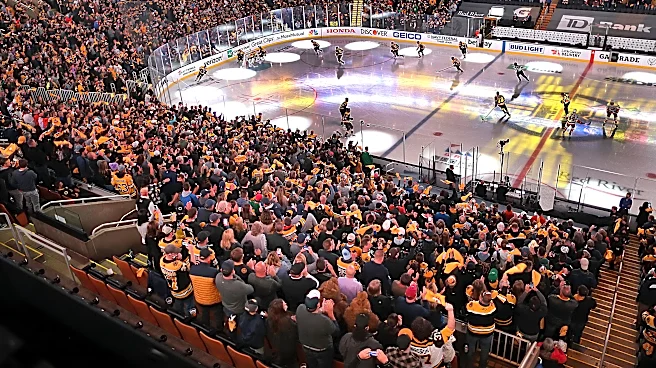
One of the most defining features of the Boston Garden was its intimate design. Tex Rickard's vision for the arena, particularly for boxing events, was to ensure that every spectator was close enough to the action to see the sweat on the boxers' brows. This philosophy translated into a compact layout for hockey and basketball, where fans were significantly closer to the players than in many other sports venues. This proximity created an intense and often deafening atmosphere, especially during sold-out playoff games, which was widely believed to give the home teams a substantial advantage.The Boston Celtics, in particular, capitalized on this unique environment. Their dominance at home during the 1980s is a testament to the Garden's intimidating atmosphere. In the 1985-1986 NBA season, the Celtics achieved an extraordinary home record of 40 wins against only 1 loss. They continued this trend in the subsequent season with 39 wins and 2 losses at home. This remarkable home-court strength cemented the Garden's reputation as one of the most challenging venues for visiting teams.
Environmental Quirks and the "Heat Game"
Despite its storied history, the Boston Garden was notably lacking in modern facilities, most notably air conditioning. This absence often led to significant heat within the arena, and sometimes even fog forming over the ice during hockey games. These environmental quirks became part of the Garden's lore. A prime example is the fifth game of the 1984 NBA Finals between the Celtics and the Los Angeles Lakers, which became famously known as the "Heat Game."On June 8, 1984, temperatures inside the arena soared to over 97 degrees Fahrenheit (36 degrees Celsius). The extreme heat was so intense that oxygen masks had to be provided to the exhausted players. Despite the grueling conditions, the Celtics emerged victorious with a 121-103 win, led by Larry Bird's 34 points, taking a 3-2 lead in the series. This game vividly illustrated the challenging environment that players often faced in the Garden.
The Legendary Parquet Floor and Other Peculiarities
Another iconic element of the Boston Garden was its legendary parquet basketball court. This wasn't the original floor installed in the Garden; it was actually moved from the Boston Arena (now Matthews Arena) in 1952. This unique wooden floor was believed to give the Celtics an advantage, as they were intimately familiar with its bounces and characteristics, unlike visiting teams. The floor became such a significant part of the Celtics' history and success that parts of it were integrated into the new arena's court after the Garden's demolition, and other pieces were sold as souvenirs.Beyond the heat and the floor, the Garden also faced issues with its electrical system, which was prone to malfunctions. An example occurred on May 24, 1988, when an NHL playoff game between the Bruins and the Edmonton Oilers was interrupted and ultimately called off due to an exploding transformer and subsequent power outage. Two years later, on May 15, 1990, during the first game of the Stanley Cup Finals, also between the Bruins and the Oilers, the lights went out again. While the lighting system was repaired and the game continued, these incidents highlighted the aging infrastructure of the beloved arena, contributing to the eventual decision to replace it.