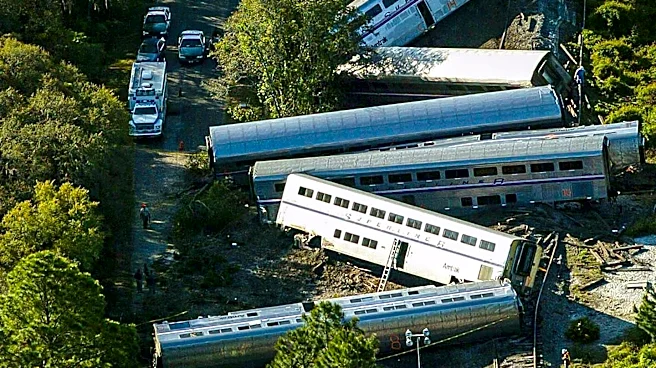








The Great Train Wreck of 1918 stands as a somber chapter in U.S. rail history. Occurring on July 9, 1918, in Nashville, Tennessee, this tragic event involved a head-on collision between two passenger trains operated by the Nashville, Chattanooga and St. Louis Railway. The disaster claimed at least 101 lives and injured 171 others, marking it as the deadliest rail accident in U.S. history. This article delves into the sequence of events that led to this catastrophe
and its immediate consequences.
The Events Leading to the Collision
On the morning of July 9, 1918, two trains were set on a collision course due to a series of unfortunate errors. Train No. 4 departed Nashville for Memphis at 7:00 a.m., while Train No. 1 was en route from Memphis to Nashville, running about thirty-five minutes behind schedule. Both trains were traveling on a single-track section known as "Dutchman's Curve," a notorious stretch west of downtown Nashville.
The standard operating procedure required Train No. 4 to wait for Train No. 1 to pass before proceeding. However, a critical mistake occurred when the conductor of Train No. 4 misidentified a passing switch engine as Train No. 1. This error was compounded by the crew's failure to verify the train register at Shops Junction, where the single-track section began. As a result, Train No. 4 continued on its path, unaware of the impending danger.
The Collision and Its Immediate Aftermath
At approximately 7:20 a.m., the two trains collided head-on while traveling at speeds estimated between 50 to 60 mph. The impact was catastrophic, derailing both trains and destroying several wooden cars. The collision site was a scene of chaos and destruction, with debris scattered across the tracks and the surrounding area.
The aftermath of the collision was devastating. Emergency responders and local residents rushed to the scene to assist the injured and recover the deceased. The wooden construction of the train cars contributed to the high casualty rate, as the impact caused significant structural damage. The tragedy left a lasting impact on the Nashville community and the families of those affected.
Investigations and Lessons Learned
In the wake of the disaster, investigations were launched to determine the cause of the collision. It was concluded that human error was the primary factor, with multiple lapses in communication and procedure contributing to the tragedy. The incident highlighted the need for improved safety measures and stricter adherence to operating protocols.
The Great Train Wreck of 1918 served as a catalyst for change in the railway industry. It underscored the importance of accurate communication and the need for technological advancements to prevent similar accidents in the future. While the disaster remains a painful memory, it also stands as a reminder of the ongoing efforts to ensure the safety of rail travel in the United States.