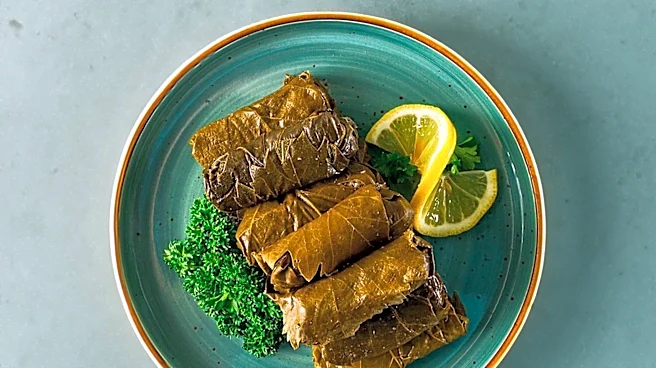






Dolma, a culinary tradition rooted in Ottoman cuisine, is far more diverse than a simple stuffed vegetable. The term, meaning "stuffed" or "filled" in Turkish, encompasses a vast array of dishes that utilize various ingredients, from common vegetables and leaves to more unusual components like seafood, offal, and even fruits. This adaptability has allowed dolma to integrate into numerous regional cuisines, each adding its unique twist to the fundamental
concept of a filled dish. The core filling typically consists of rice, minced meat, herbs, and spices, but the outer shell and specific flavor profiles can vary dramatically.
Common vegetables used for stuffing include tomatoes, peppers, onions, zucchini, and eggplant. These are typically hollowed out and then filled with the savory mixture. Beyond these, edible leaves such as vine leaves or cabbage leaves are also widely used, where the filling is carefully wrapped inside. These leaf-wrapped versions are sometimes specifically known as *sarma* in Turkish, distinguishing them from the hollowed-out vegetables, though colloquially, "dolma" often refers to both. This distinction highlights a nuanced approach to stuffed dishes within Turkish culinary traditions.
Regional Specialties and Unique Ingredients
The versatility of dolma is evident in the regional specialties found across its wide geographical spread. For example, stuffed onions, known as *soğan dolması* in Turkish or *its'onats sokh* in Armenian, are a traditional dish in Turkey, Armenia, and Bosnia. The preparation involves carefully removing the outer layers of onion bulbs to serve as "shirts" for a filling of minced beef, rice, oil, tomato purée, paprika, vinegar or sour cream, strained yogurt, black pepper, salt, and various spices. The remaining inner part of the onion is often mixed with the meat and fried to form the base of the stuffing, showcasing a resourceful use of ingredients.
Beyond vegetables, dolma can also feature seafood. Stuffed mackerel (*uskumru dolma* in Turkish) and stuffed trout (*its'onats ishkhan* in Armenian) are notable examples in Armenian and Turkish cuisine. The trout version, particularly with Sevan trout, is specific to Armenia and is highly regarded, especially when prepared by traditional Armenian cooks. This elaborate preparation involves carefully separating the fish skin from the meat, then sautéing the meat with a rich mixture of onions, currants, dried apricots, almonds, hazelnuts, pine nuts, walnuts, cinnamon, cloves, allspice, ginger, fresh herbs, and lemon juice. This flavorful mixture is then stuffed back into the intact skin or wrapped in grape leaves, and either baked or grilled until the skin is browned.
Meatless Varieties and Culinary Conventions
Dolma also includes meatless varieties, known in Turkish as *yalancı dolma*, which translates to "fake" or "counterfeit dolma." These versions are typically filled with seasoned rice and reflect an older culinary convention where vegetarian dishes were sometimes seen as substitutes rather than primary dishes in medieval Islamic societies. This perspective arose because Islam does not mandate abstention from meat on any specific occasion. Arabs, for instance, referred to such dishes as *muzawwaj*, also meaning "counterfeit."
This concept of "fake" dolma is echoed in other languages, such as Arabic *yalanji*, Greek *ntolmadákia gialantzí*, Armenian *yalanchi tolma*, and Georgian *ialanchi tolma*. These meatless options demonstrate the dish's adaptability to different dietary preferences and economic conditions, allowing for a delicious and satisfying meal even without meat. The wide array of ingredients and preparation methods underscores dolma's status as a truly versatile and culturally rich culinary tradition.