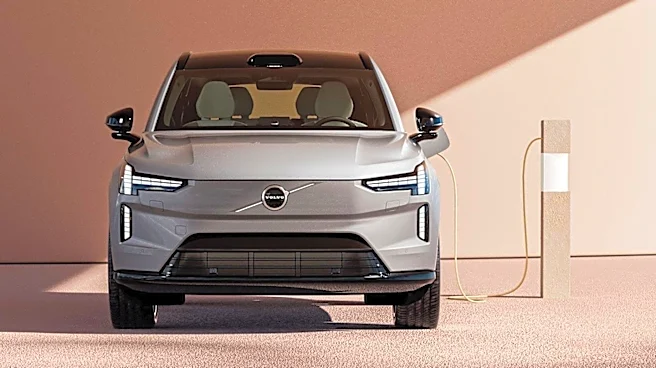





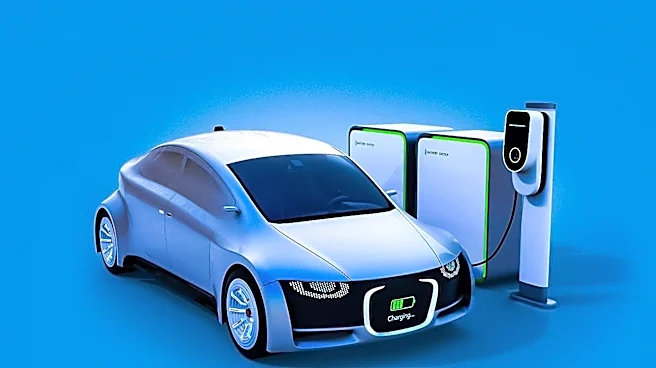

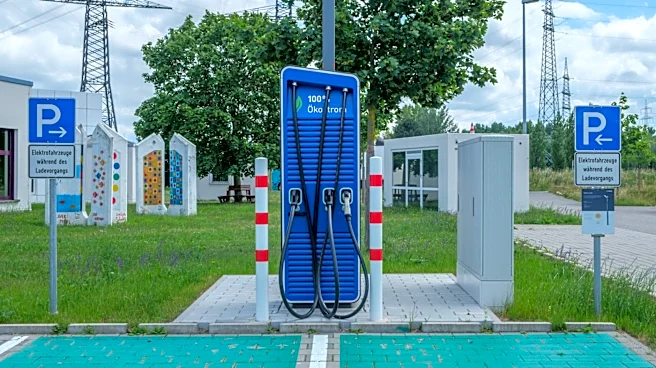


The world of electric vehicles (EVs) has seen significant advancements, particularly in the realm of charging standards. As EVs become more prevalent, the need for standardized charging systems has grown. This article delves into the evolution of these standards, focusing on the Combined Charging System (CCS) and its role in shaping the future of EV charging.
Early Developments in EV Charging
The journey of electric vehicle charging standards began with the need to create a universal
system that could cater to various EV models. Initially, different manufacturers developed their own charging solutions, leading to a fragmented market. This lack of standardization posed challenges for consumers and manufacturers alike, as it limited the interoperability of charging stations and vehicles.
In response to these challenges, international bodies like the International Electrotechnical Commission (IEC) began developing standards to unify the charging process. The IEC 62196 series, for instance, laid the groundwork for defining the requirements and tests for plugs, socket-outlets, and vehicle connectors. This series aimed to ensure compatibility and safety across different charging systems.
The Rise of the Combined Charging System (CCS)
The introduction of the Combined Charging System (CCS) marked a significant milestone in the evolution of EV charging standards. CCS was designed to offer a versatile solution that could support both AC and DC charging, making it a preferred choice for many manufacturers. The system includes two main configurations: CCS1, commonly used in North America, and CCS2, prevalent in Europe.
CCS1 extends the Type 1 coupler, while CCS2 extends the Type 2 coupler, allowing for high-power fast charging. This adaptability has made CCS a popular choice among automakers, as it provides a unified solution that can cater to different regional requirements. The system's ability to support high-power charging up to 500 kW has further solidified its position as a leading standard in the industry.
Global Adoption and Future Prospects
The global adoption of CCS has been driven by its compatibility and efficiency. In Europe, regulations require all public DC charging stations to be equipped with CCS2 connectors, highlighting the system's widespread acceptance. Similarly, in North America, CCS1 has become a standard feature in many EV models, thanks to its integration with the SAE J1772 standard.
Looking ahead, the future of EV charging standards appears promising. As technology continues to advance, we can expect further enhancements in charging speed and efficiency. The ongoing development of new standards, such as the ChaoJi connector, indicates a continued focus on improving the EV charging experience. With these advancements, the dream of a seamless, global EV charging network is becoming increasingly attainable.