








Walt Disney's vision for EPCOT was not just about creating a theme park; it was about building a futuristic city that would serve as a model for urban planning and technological innovation. Known as the Experimental Prototype Community of Tomorrow, EPCOT was designed to be a utopian city that would showcase the latest advancements in technology and urban design. Although the original concept was never fully realized, it laid the groundwork for what
would eventually become Epcot Center, a theme park that continues to inspire visitors with its focus on innovation and global culture.
The Radial Plan and Urban Design
At the heart of Disney's vision for EPCOT was a unique urban design inspired by the garden city movement. The city was planned to have a radial layout, with a central core from which everything radiated outward like spokes on a wheel. This design was intended to create a sense of order and efficiency, reducing urban sprawl and making the city more navigable. The central core would house the city's commercial and cultural activities, while residential areas would be located further out, separated by a green belt of parks and recreational spaces.
Transportation was a key element of EPCOT's design. Disney envisioned a city where cars would be unnecessary for daily life. Instead, residents would rely on a monorail system and PeopleMovers to get around. These transportation systems would connect the city center with residential areas and other key locations, ensuring that residents could travel quickly and efficiently without the need for personal vehicles.
Technological Innovation and Community Living
EPCOT was designed to be a living laboratory for technological innovation. Disney wanted the city to be a place where new technologies could be developed, tested, and showcased to the world. This included everything from advanced building materials to new methods of transportation and communication. The city would be in a constant state of evolution, always incorporating the latest advancements to improve the quality of life for its residents.
Community living was another important aspect of Disney's vision for EPCOT. The city was intended to be a place where people could live, work, and play in harmony. Residential areas were designed to be flexible, allowing for easy updates and changes as new technologies became available. Disney also envisioned a community where residents would be actively involved in governance, although he struggled with how to implement this in practice.
Legacy and Influence on Modern Urban Planning
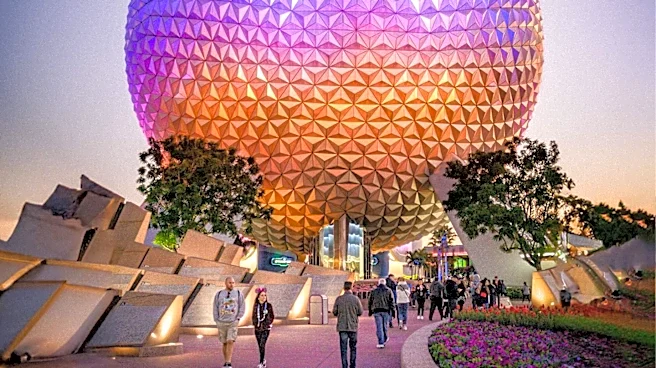
Although the original EPCOT city was never built, its influence can still be seen in modern urban planning and design. The concept of a radial city with a focus on public transportation and green spaces has inspired planners and architects around the world. Elements of Disney's vision have been incorporated into the design of the Epcot theme park, as well as the nearby community of Celebration, Florida.
The legacy of EPCOT as a model for innovation and community living continues to inspire new generations of urban planners and designers. While the city itself was never realized, the ideas and principles behind it remain relevant today, offering a glimpse into what the future of urban living could be.